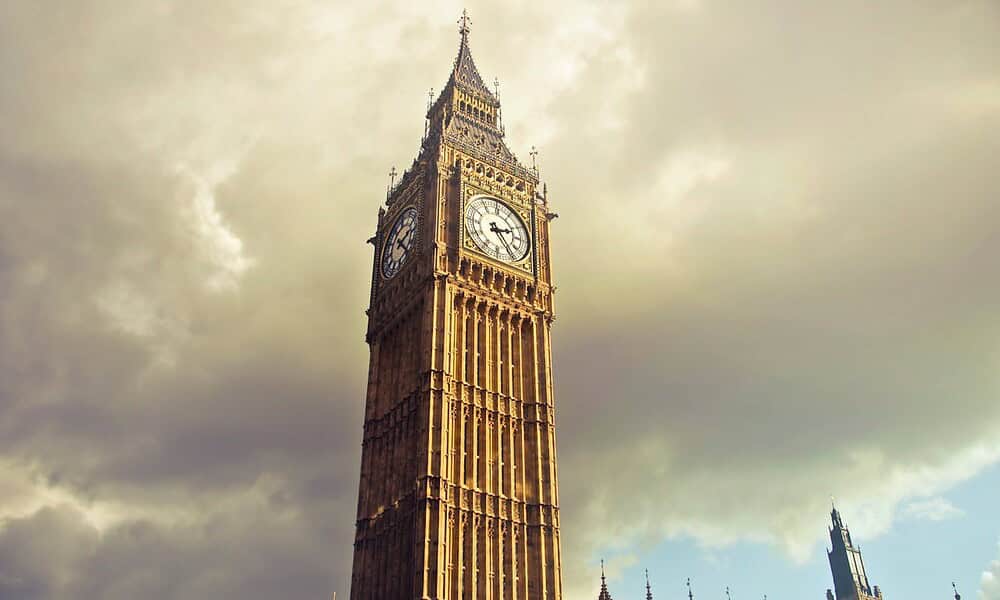
Living nomadically in London is a unique experience like no other. Not only does theBritish capital offer a chance to live somewhere modern and dynamic and an epicentre of ingenuity and creativity, but it also allows you to live somewhere enchenched in a hundred years of history and culture. As one of the world’s leading financial, cultural, and creative capitals, London attracts many remote workers, freelancers and entrepreneurs seeking rich life experience and a chance to grow professionally. Although in many nomadic cities, it’s easy to arrive and go with the flow, Londons fast paced and bustling atmosphere demands strategy, adaptability and local knowledge to survive. As one of the more expensive cities to become a nomad in, nomads must plan financially and ensure that they do local research so they can fit in seamlessly once they arrive.
This blog provides a structured guide that walks you through everything that you need to know before you become a digital nomad in london from visas and neighbourhoods to budgeting, workspaces and lifestyle hacks.
Understanding London as a Nomadic base
London is not a single experience; it’s a collection of different areas and smaller cities all stitched together through culture and transport. With over 8 million residents and over 300 languages spoken, it offers diversity like no other city in the world.
For nomads, London offers a huge range of positives that make it the perfect place for people who want to work and travel, including:
Access to global markets and clients from across the world
A thriving tech and ecosystem
Very reliable infrastructure and transport system in the form of buses and the Underground
Endless networking opportunities with other professionals
Cultural immersion and activities at every turn
There are also challenges that arise when living in London, including the most obvious, which is its high cost of living. London has one of the highest living costs in the UK, with the average coffee costing around £4 and the average rent prices in the central areas around £2,000 a month. Other challenges can include the search for housing, as the housing crisis has made finding property quite difficult and competitive. Although it may seem obvious, the weather can also be a challenge. Rainfall and an average temperature of around 14 degrees in London make it a cold and wet place to live, which may not appeal to some nomads looking to escape to a warmer paradise. The variability of the weather can also be a struggle, with the weather sometimes changing from hour to hour.
Understanding the duality of a location is essential to understand before arriving, as it sets expectations accordingly and prevents disappointment.
Visas and legal considerations
Before your arrival, it’s important that you understand your right to live and work in the UK, including which visas you can arrive on and how long you can stay there on these visas. These opinions include:
Standard visitor visas (short-term stays with no employment permitted)
Skilled worker Visa ( must earn around £40,000 and can stay for 5 years)
Youth mobility scheme Visa (for eligible countries, including Australia, Canada, New Zealand or South Korea. Must have at least £2,500 in savings.)
Global talent Visa (for leaders in tech, arts and sciences)
Innovator founder visa ( Must have a business plan to set up a business in the UK)
The UK does not currently offer a digital nomad Visa that other countries such as Portugal do, so nomads who want to work in the UK must comply with immigration rules and ensure they obtain the correct visa to ensure that they do not get into any legal trouble. Always verify requirements with official UK government channels before making plans to worka nd live in the UK.
Choosing the right Neighbourhood for you
The neighborhood that you choose to reside in once you arrive in London will affect how you experience the city. It can be confusing choosing what is best at first; however, this breakdown, specifically for nomads, should help to point you to the right neighbourhood for you. When choosing a place to live, you must consider factors such as commute time, transport links, nearby car parks in London, access to affordable coworking spaces, and the vibe of the community that you’re entering.
Shoreditch in East London
These trendy areas of London are perfect for those who prioritize creativity or who want to create their own start-ups. It’s ideal for tech freelancers and entrepreneurs as it inspires innovation and places you amongst like-minded people.
Camden in North London
For those nomads who love to express themselves amongst like-minded creatives, Camden is the place to be. A more alternative side of London, this area is teeming with artists, singers, and writers, all creating a vibrant and energetic atmosphere
Brixton in south London
Brixton’s multicultural and lively atmosphere gives it a strong sense of self and an apparent community feel. For the foodies, its diverse cultures make for a vibrant food scene to enjoy.
Notting Hill in West London
Just like the film, this place lives up to its popularity. It’s charming and has picturesque characteristics, such as its colourful houses, which make it feel like a home. More residential, this is perfect for those who want to experience a calmer lifestyle in London.
Canary Wharf in East London
If you work in finance and want to be close to the epicenter of corporate London. Canary Wharf in east London is modern, sleek, and ideal for the business-oriented nomad.
Accommodation strategies for nomads
In London, rent is higher than in most cities in the world; therefore, it should be a priority to ensure that you organise your accommodation in accordance with your budget to ensure that you have disposable income to live and explore the city with. There are many options depending on how flexible you want to be, including:
Short-term rentals: This type of accommodation is perfect for those hwo have just arrived. Platforms such as Airbnb provide flexable long term and short-term stays; however, this should not be a long-term solution for most, as it can be costly.
London’s transport system is one of the most effective in the world, with many different ways to travel affordably around the city. This means that there is less pressure on accommodation, as everywhere can be easily accessed by transport; however, it doesn’t mean that you may have to set aside a large budget for transport costs each month.
The underground: This intricate transport system gives access to every corner of London efficiently, but it gets very crowded and overwhelming during rush hour.
Buses: Usually cheaper but take longer, London’s famous double-decker buses also provide effective but more scenic transport, perfect if you’re further out or not in a rush.
Cycling: Santander bicycles are available all around London, providing transport straight to your destination via an online app.
Safety and practical tips
London is generally safe; however, there are some tips that you should follow to ensure that you are safe during your stay and some practical tips for your stay. Ensuring that you stay alert in crowded areas is important in any big city, including keeping your music low in busy places and staying vigilant in big squares and on the underground. Also, keeping belongings secure in a zip-lock bag and ensuring that you keep your phone in your bag whilst walking around the city is important to stop thieves. At night its important that you stick to well lit street when walking around the outskirts of the city to stay safe. If you ever find yourself in an emergency, the local emergency number is 999 for the police, ambulances and fire engines.
Subscribe to our Newsletter
Get The Latest News On Digital Nomad Lifestyle, Remote Working Communities
And Much More.
100% spam free. We never share your email address. Unsubscribe anytime!
Healthcare and insurance
Access to the NHS depends on visa status and length of stay. If you do have access to the NHS, then doctor visits and all medical care will be provided for free; if you do not have access to the NHS, then you must acquire comprehensive travel insurance for medical care, theft and trip cancellation. Private clinics are available but can be costly without insurance.
Final thoughts
London is a city of momentum. For digital and remote professionals, it offers unmatched access to opportunity, culture and connection, but success requires planning, budgeting and community building. However, if you do it right, London can be one of the most rewarding places in the world.
If you want to become a digital nomad or find your crew, sign up for our free newsletter and get upcoming articles straight to your inbox!
We’ve got some great content on our Instagram and on our Facebook Group too where you can network with other nomads from all over the world.
Your Travel Resources Handy In One Place 🗺️
🧳 Travel Insurance
Enjoy peace of mind during traveling and don’t leave your country without good travel insurance. We recommend Insured Nomads or Genki for international travel insurance.
💰Travel Finances
Get your travel finances smart and straight with Wise or Revolut.
🏨 Accommodations
For a short stay check out Booking or Agoda. Staying longer? Take a look at the offers at Airbnb. Hostels are the cheapest option that you can explore at Hostelworld.
🏡 Recommended places for long-term stay
Wanna know the accommodations where we lived during our digital nomad journey? Check out the places we enjoyed the most!
🎫 Book tours
Are you up for taking part in epic guided tours? Book ones you like using GetYourGuide or Viator.
🚗 Rent a car
To find great rental car deals check out Rental Cars and get ready for your car trip!
Andrew Williams is the Founder of Remote Tribelife, an online magazine for digital nomads and remote working. Andrew has an extensive background in SEO and content marketing. His experience with digital marketing goes back to his early age in University when he founded a blog about startups and funding. He does his best writing in the coffee shops in Bali or in the condos of busy cities like Bangkok and Singapore. He is currently based in Singapore. You can connect with Andrew on his Linkedin profile and/or follow Remote Tribelife on Instagram.











[…] A Complete Nomadic Guide to Living in London […]