Starting November 21, 2025, Slovenia is officially entering the digital nomad game with the launch of its first-ever digital nomad visa. Designed for non-EU/EEA citizens, this new visa offers remote workers, freelancers, and entrepreneurs the chance to live in Slovenia for up to 12 months—so long as their income comes from outside the country.
This move positions Slovenia as a fresh and exciting option for location-independent professionals seeking a European base, joining Hungary as one of the only Central European countries offering a dedicated visa for digital nomads. With more than 60 countries now offering some version of a remote work visa, Slovenia’s entrance into the field marks a big step for the region.
What You Need to Know About the Visa
According to a global immigration update from Ernst & Young, Slovenia’s digital nomad visa will grant a non-renewable, one-year residence permit to eligible remote workers. To qualify, applicants must:
Be employed by or contracted with companies or clients outside Slovenia
Provide proof of sufficient income (expected to be at least twice the national average net monthly salary)
Show proof of valid health insurance
Hold a clean criminal record
Present a valid passport
While the visa is not renewable, it is reapplicable—but only after a six-month stay outside Slovenia. Family members may be eligible to join, provided they are financially independent from Slovenian employers.
Why Slovenia?
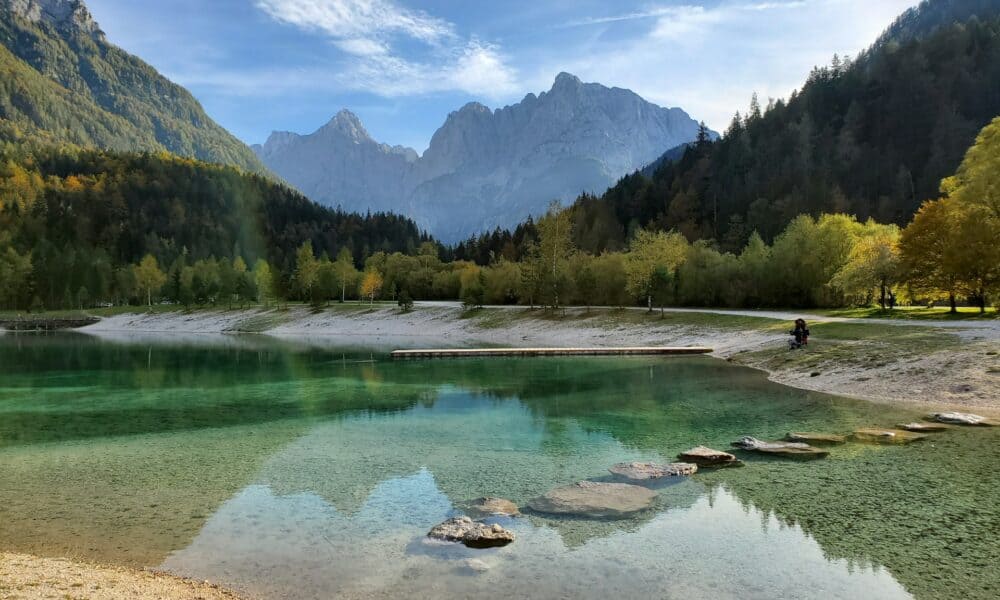
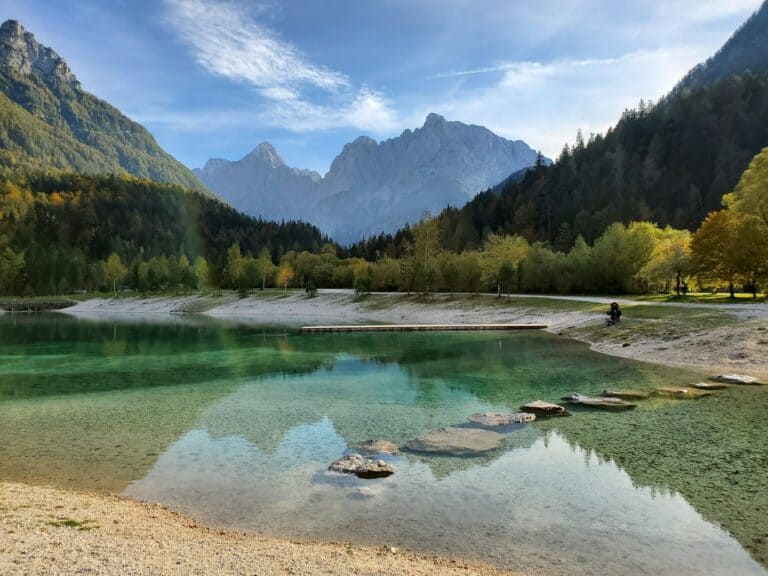
The buzz around Slovenia isn’t just about the visa—it’s about the lifestyle. Nestled between Italy, Austria, Hungary, and Croatia, Slovenia is a small alpine country that offers a slower pace of life, stunning nature, and a lower cost of living than many of its European neighbors.
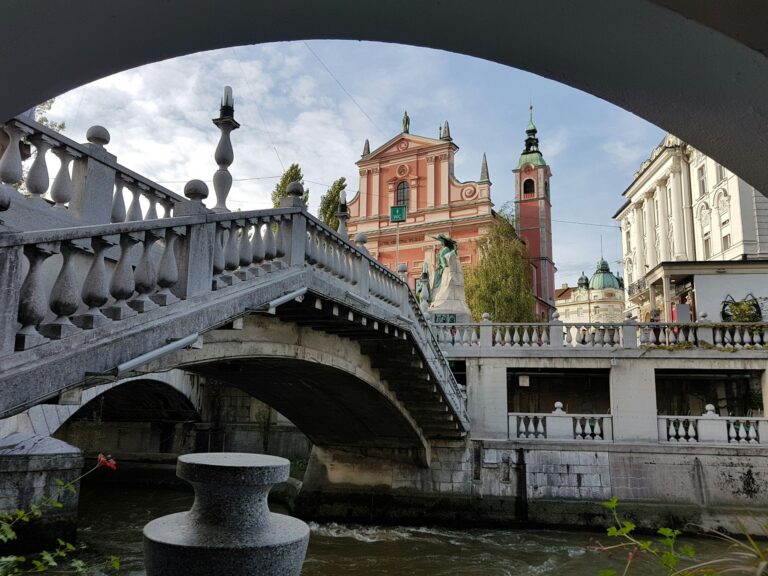
For digital nomads looking to avoid the crowds (and higher prices) of Portugal, Spain, or Greece, Slovenia presents an appealing alternative. Cities like Ljubljana, Maribor, Celje, Koper, and Kranj are already building out infrastructure for remote work, with coworking spaces, fast Wi-Fi, and growing communities of expats.
“Slovenia could easily become the next Portugal,” says Jen Barnett, founder of Expatsi, a relocation service for Americans. “We’ve recommended Slovenia for retirees for years, and it’s especially perfect for families from the Pacific Northwest who want to keep up an active lifestyle.”
Nature, Affordability & Connectivity
Whether you’re working from a lakeside cabin or a cozy café in Ljubljana’s historic Old Town, Slovenia has a lot to offer:
Stunning natural diversity: From alpine peaks to Adriatic beaches, Slovenia is a paradise for outdoor lovers.
Mild climate: Summers rarely rise above 86°F (30°C), and the country stays green year-round.
Affordable living: Rent for a one-bedroom outside the capital can range between $375 and $600 per month. Groceries and restaurants are significantly cheaper than in Western Europe.
Family-friendly: Ljubljana has seven international schools, making it easier for remote-working families to settle in.
Efficient travel: Slovenia’s excellent public transport and proximity to major European countries mean weekend trips to Venice, Vienna or Zagreb are just hours away.
Tips you must know before you go to Slovenia
A Temporary Escape—Not a Permanent Path
While the new visa is an exciting gateway to Europe, it’s important to know that Slovenia isn’t offering a path to permanent residency or citizenship through this program. It’s ideal for nomads who want to test out life in Europe or enjoy a temporary lifestyle shift.
“This isn’t for people looking to settle long-term or invest,” notes Cepee Tabibian, founder of She Hit Refresh and author of I’m Outta Here! An American’s Ultimate Visa Guide to Living in Europe. “But it’s a fantastic way to live in Europe for a year while scouting out longer-term options.”
Final Thoughts
Slovenia may be small, but it’s ready to make a big splash in the remote work world. With scenic beauty, modern amenities, a safe environment, and a welcoming culture, the country is positioning itself as one of Europe’s most livable (and affordable) digital nomad hubs.
So if you’re craving mountain air, a break from the hustle, or a smart base for European exploration, mark your calendar: Slovenia’s digital nomad visa opens on November 21, 2025.
So get your laptop-ready adventurers, your next home base may be waiting at the foot of the Alps.
Andrew Williams is the Founder of Remote Tribelife, an online magazine for digital nomads and remote working. Andrew has an extensive background in SEO and content marketing. His experience with digital marketing goes back to his early age in University when he founded a blog about startups and funding. He does his best writing in the coffee shops in Bali or in the condos of busy cities like Bangkok and Singapore. He is currently based in Singapore. You can connect with Andrew on his Linkedin profile and/or follow Remote Tribelife on Instagram.