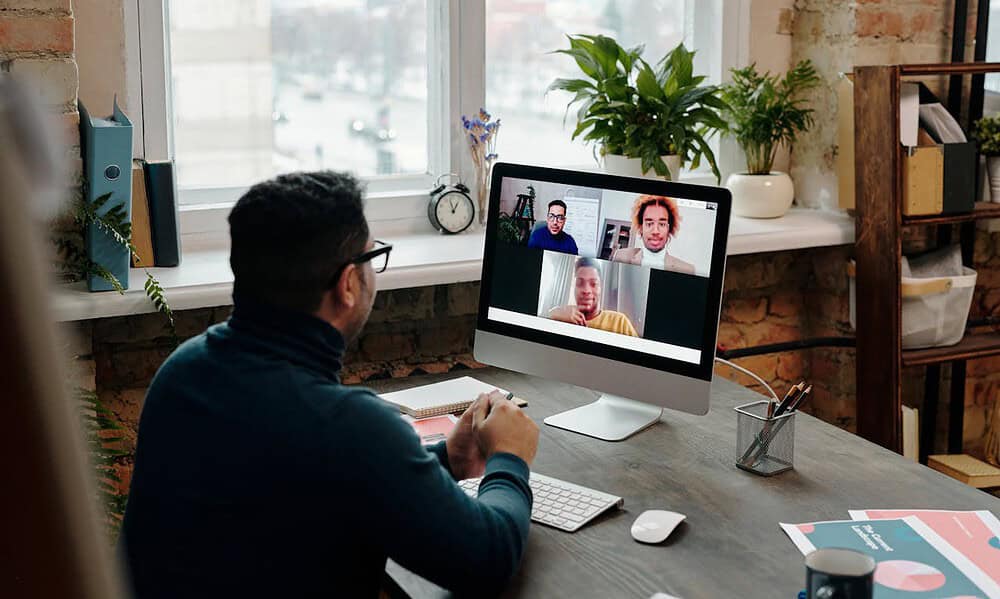
Remote work has permanently changed how teams operate. What once began as a temporary necessity has evolved into a core operating model for thousands of companies around the world. Distributed teams now collaborate across time zones, cultures, and continents, often without ever meeting in person.
Yet despite the many advantages of remote work, leaders quickly discover something surprising: morale doesn’t maintain itself in a distributed environment.
In traditional offices, positive energy spreads through proximity. Conversations in hallways,
spontaneous brainstorming sessions, laughter during lunch breaks, and quick words of encouragement all contribute to an atmosphere that feels alive.
Remote teams don’t have this built-in energy system.
Instead, morale becomes something that must be designed, maintained, and reinforced intentionally.
Organizations that understand this difference thrive with remote work. Those that don’t often struggle with disengagement, silent meetings, and a gradual erosion of team connection.
This article explores a different perspective on remote team morale: how to design energy
systems that keep distributed teams motivated, connected, and enthusiastic about their work.
The Real Problem With Remote Team Morale
Many companies attempt to boost morale by copying office-based traditions.
They host virtual happy hours, organise online trivia nights, or schedule team-building games.
While these activities can be enjoyable, they rarely solve the deeper issue.
The real challenge in remote environments is energy flow.
In physical workplaces, energy moves naturally. A productive conversation sparks new ideas. A shared laugh improves mood. A quick conversation between desks leads to collaboration.
In remote teams, those energy exchanges disappear.
Work becomes structured around tasks, meetings, and deadlines but not around human connection.
Without deliberate intervention, the workplace slowly becomes transactional.
Employees complete tasks, attend meetings, and log off.
Morale gradually declines not because people dislike their jobs, but because they feel less emotionally connected to the work and the team.
Understanding the “Energy Architecture” of Remote
Teams
Instead of thinking only about culture, successful distributed teams design what could be called energy architecture.
Energy architecture refers to the systems that keep people motivated, engaged, and socially connected throughout the workweek.
This architecture typically includes three key elements:
1. Momentum systems
2. Recognition loops
3. Human connection moments
When these elements work together, remote teams maintain high morale without forcing artificial social interactions.
1. Momentum Systems: Keeping Progress Visible
One of the biggest morale killers in remote teams is invisible progress.
In offices, employees can physically see work happening around them. They observe
teammates solving problems, finishing projects, and making progress.
Remote employees often work in isolation, unsure how their work fits into the larger picture.
This can make even productive employees feel like they’re working in a vacuum.To maintain morale, teams must design systems that make progress visible.
Some practical ways to achieve this include:
Public Progress Updates
Encourage team members to share short weekly updates highlighting what they
accomplished and what they’re working on next.
This allows everyone to see the collective progress of the organization.
Visible Milestone Tracking
Project dashboards and shared timelines help employees understand how their work
contributes to larger outcomes.
“Momentum Channels”
Some companies create dedicated channels where employees share small wins throughout
the day.
Examples might include:
●Closing a deal
● Solving a technical issue
● Launching a feature
● Helping a teammate
These moments may seem small, but they reinforce a sense of forward movement.
When employees see constant progress around them, motivation naturally increases.
2. Recognition Loops: Turning Appreciation Into a
System
Recognition is often inconsistent in remote environments.
Managers may appreciate their teams but forget to express it regularly, especially when interactions happen mostly through project updates.
To maintain morale, appreciation needs to become a structured feedback loop rather than an occasional gesture.
The Recognition Loop Framework
Effective recognition systems typically include three stages:
1. Contribution
An employee does something valuable for the team.
2. Visibility
The contribution is acknowledged publicly.
3. Reinforcement
The recognition encourages similar behaviours in others.
When recognition happens consistently, it creates a culture where appreciation spreads naturally.
Some teams formalize this through:
● Peer recognition programs
● Weekly appreciation rounds
● Team shout-out sessions
Other teams take a more personal approach.
For example, when celebrating milestones like birthdays, promotions, or farewells, distributed teams sometimes recreate the familiar experience of passing around an office card except digitally.
Platforms like ExpressWithACard allow colleagues to contribute messages and memories to a shared card, giving teams a collaborative way to celebrate people even when they’re thousands of miles apart.
Moments like these help ensure appreciation doesn’t disappear simply because the team works remotely.
In offices, relationships form naturally through shared experiences.
Remote teams must create intentional opportunities for these experiences.
But here’s where many companies go wrong: they assume connection requires structured events.
In reality, meaningful relationships often form through small, low-pressure interactions.
Examples include:
● Random coffee chats between employees
● Short informal video calls
● Shared hobby channels
● Small group discussions
The key is to remove pressure.
Employees shouldn’t feel forced to participate in elaborate team-building activities. Instead, connection opportunities should feel optional and relaxed.
Over time, these small interactions create familiarity and trust.
4. The Power of Micro-Celebrations
One of the most overlooked morale boosters in remote teams is micro-celebrations.
Micro-celebrations are small moments that recognize everyday achievements.
Examples include:
● Finishing a challenging project phase
● Completing a major bug fix
● Welcoming a new team member
● Reaching a small milestone
These celebrations don’t need to be large events. Often, a simple acknowledgement in a team channel or a quick celebratory message is enough.
The purpose is to break the monotony of work cycles and remind employees that progress matters.
Over time, these micro-celebrations accumulate and create a positive team atmosphere.
5. Reducing “Digital Exhaustion”
Remote work introduces a challenge that office environments rarely face: digital exhaustion.
Employees spend most of their day interacting through screens video calls, chat platforms, and project tools.
Without careful management, this constant digital interaction can drain energy and reduce morale.
Leaders can reduce digital fatigue by implementing several strategies.
Fewer Meetings, Better Meetings
Remote teams often fall into the trap of scheduling too many meetings.
Instead, meetings should be purposeful and concise.
Asynchronous Communication
Encourage employees to communicate through written updates, recorded messages, or
shared documents when real-time meetings aren’t necessary.
Focus Time Blocks
Allow employees uninterrupted time for deep work.
Reducing unnecessary interruptions improves productivity and mental clarity.
When employees feel less overwhelmed by digital communication, morale naturally improves.
6. Creating Shared Team Identity
One subtle challenge of remote work is the lack of shared physical identity.
Office environments reinforce identity through shared spaces, branding, and daily
interaction.Distributed teams must build identity in different ways.
Some strategies include:
Shared Traditions
Create team traditions that employees look forward to each year.
Cultural Storytelling
Encourage team members to share stories about meaningful projects or the company milestones.
Collective Memories
When employees leave the company, capturing farewell messages or memories from colleagues can reinforce the sense of shared history within the team.
Tools that allow collaborative messages, such as digital cards, can help preserve these moments, creating something that employees can revisit long after the event.
Over time, these shared memories become part of the team’s identity.
7. Leadership Visibility in Remote Teams
In physical offices, leadership presence is naturally visible.
Remote environments require leaders to be deliberately visible.
Employees should regularly hear from leadership about:
● Company direction
● Team achievements
● Strategic priorities
This doesn’t mean constant communication, but it does mean consistent communication.
Leaders who disappear for long periods can unintentionally create uncertainty or anxiety within teams.
Short monthly updates, recorded messages, or written reflections can go a long way in maintaining transparency and trust.
8. Encouraging Autonomy and Ownership
Morale improves when employees feel trusted.
Remote teams function best when individuals have autonomy over how they complete their work.
Instead of focusing on hours worked, successful remote organizations focus on outcomes.
This approach encourages employees to:
● Manage their own schedules
● Take ownership of projects
●Experiment with new ideas
Autonomy signals trust, and trust strengthens morale.
9. Designing “Moments That Matter”
Not every workplace interaction carries equal weight.
Certain moments have a disproportionate impact on how employees feel about their team.
Examples include:
● Joining the company
● Completing major projects
● Celebrating promotions
● Saying goodbye to colleagues
These are moments that matter.
If organizations design these experiences carefully, they create lasting impressions.
For example, when a team member leaves, the way the team acknowledges their
contribution can influence how employees remember the organization.
Collaborative farewell messages, shared reflections, or digital group cards can turn what
might otherwise be a quiet departure into a meaningful cultural moment.These thoughtful experiences strengthen the overall atmosphere of the team.
10. The Long-Term Impact of Strong Remote Morale
When remote morale is high, the effects ripple throughout the organization.
Teams experience:
● Greater collaboration
● Increased innovation
● Stronger loyalty
● Better problem solving
Employees who feel connected to their teams are more likely to contribute ideas, support colleagues, and stay engaged with their work.
Ultimately, strong morale becomes a competitive advantage.
Companies with energized remote cultures attract talent, retain employees longer, and perform better over time.
Andrew Williams is the Founder of Remote Tribelife, an online magazine for digital nomads and remote working. Andrew has an extensive background in SEO and content marketing. His experience with digital marketing goes back to his early age in University when he founded a blog about startups and funding. He does his best writing in the coffee shops in Bali or in the condos of busy cities like Bangkok and Singapore. He is currently based in Singapore. You can connect with Andrew on his Linkedin profile and/or follow Remote Tribelife on Instagram.