Remote work definitely has its perks, including flexibility, no long commutes, and the comfort of working from your own space. But with all that convenience, it’s also easy for wellness to take a backseat. When meetings run long and deadlines pile up, your employees might skip breaks or stay glued to their screens for hours. So, how do you nurture a culture of wellness in the remote workplace?
With a few thoughtful wellness strategies, your team can feel more energized, connected, and supported both personally and professionally. From physical fitness to emotional balance, here are some effective ways to promote employee wellness in your remote workplace. Let’s dive in.
Why Plan Wellness Activities for Your Remote Teams?
Beyond quick stress fixes, wellness activities are a way to help your team feel supported, focused, and energized. When planned and done right, these activities can improve overall well-being, encourage a healthier lifestyle, and create a stronger sense of connection across the team. Here’s how they can help your team:
Relieve back, neck, and shoulder tension from long hours at the desk.
Tackle day-to-day stress with simple, practical tools
Improve focus, energy, and mental clarity
Promote morale and keep long-term productivity on track
Adopt healthier routines without disrupting their schedule
Best Wellness Practices to Support Your Remote Team
1. Mindfulness Activities
Mindfulness-based activities help teams slow down, reduce stress, and find mental clarity, especially in fast-paced work settings. They’re a great way to bring people together, improve focus, and create a calmer, more connected team vibe. Even a few minutes of mindful breathing or reflection can help your team feel more present, positive, and ready to work together.
Best mindfulness activities to practice with your team:
Breathing Exercises: Use quick techniques like box breathing or alternate nostril breathing to help teams stay active. These simple exercises are ideal for resetting before or after intense meetings as they calm the nervous system, lower stress levels, and improve focus.
Meditation: Through breathing, stillness, and visualization techniques, meditation offers an effective way for teams to pause and reset from the workplace grind. Regular practice of meditation helps teams cope with piled-up stress, improve mindfulness, and supercharge productivity.
Doodling: Give your team a few minutes to draw freely, sketch patterns, or follow lighthearted prompts like ‘current mood’ or ‘favorite vacation spot’. This simple activity helps reduce mental clutter, bolster creativity, and promote a sense of calm and focus.
2. Physical Fitness Activities
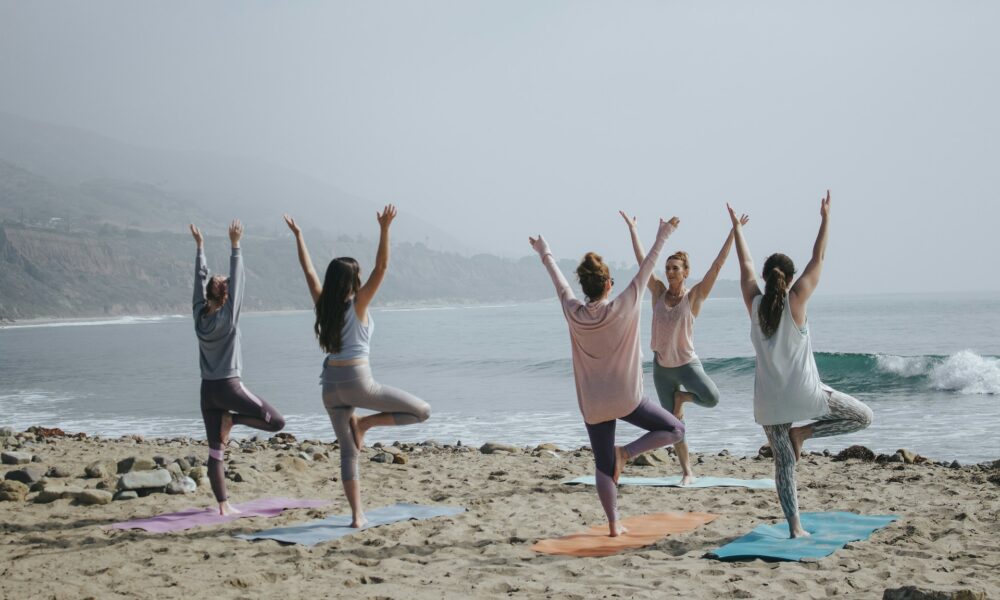
Working remotely often limits our movement to quick trips between the desk and the kitchen. Encouraging regular movement not only helps employees stay fit but also promotes energy and overall wellness. Quick stretch breaks or short workout sessions can fit seamlessly into the workday and help remote teams counteract the effects of prolonged sitting.
Best physical fitness routines to incorporate:
Chair Yoga: With gentle stretches and mindful movements, chair yoga helps relieve tension in the neck, shoulders, back, and other areas affected by long hours of sitting. This, in turn, improves body posture, strength, balance, and flexibility, ultimately enhancing your physical well-being.
Dance Breaks: Whether it’s salsa, hip-hop, or freestyle, quick dance sessions get your heart pumping, improve flexibility, and break up the monotony. They also provide a healthy dose of cardio and strength-building movement, helping to manage stress, prevent burnout, and support overall fitness.
Fitness Face-Off: Turn fitness into friendly competition with a team challenge. Employees can form groups and track their progress for a 30-day step count, a weekly plank challenge, or monthly activity goals. It’s a fun way to get moving, keep each other on track, and celebrate small wins together.
3. Nutrition and Healthy Eating
Continued meetings and long screen hours can lead to skipped meals or unhealthy snacking. But what we eat directly impacts our energy, focus, and overall well-being. Supporting employees with simple, accessible ways to make healthier food choices can go a long way in improving both their daily performance and long-term health.
Healthier diet and wellness activities to adopt:
Plant-Based Cooking: With guidance from a nutritionist or chef, employees can learn how to prepare easy and delicious plant-based meals right from their own kitchens. These sessions can cover quick weekday lunches to nutrient-packed snacks, helping teams explore healthier options they can enjoy every day.
Detox Drinks: A fun and delicious way to cleanse the body, boost immunity, and support healthy weight management. Recipes can be tailored to the team’s dietary restrictions and health conditions, making it safe and beneficial for everyone to join in.
Mindful Eating: This is a practice of paying attention to the food on your plate, making intentional choices about what you eat, and enjoying each bite without screens or distractions. It involves recognizing your body’s hunger and fullness cues to create a calm and focused eating experience.
4. Team-Building Activities
Team building activities can make the workplace healthier and happier by helping colleagues connect and work better together. They give employees a chance to relax, have fun, and build trust, which can reduce stress and improve mood. These activities also encourage better communication and create a more supportive and friendly work atmosphere.
Best team building activities to amp up workplace wellness:
Fun Team Games: Interactive games such as trivia, bingo, scavenger hunts, or escape rooms engage everyone on your team in ways that go beyond routine work tasks. These challenges stimulate cognitive function and sharpen decision-making skills, all while giving teams a fun break.
Arts and Crafts: Creative workshops such as candle making or a guided paint-and-sip class give employees a chance to express themselves in a relaxed, enjoyable setting. These activities improve creativity, inspire out-of-the-box thinking, and provide a relaxing break for teams.
Culinary Tastings: Tea, coffee, or chocolate tasting sessions create an opportunity for colleagues to unwind, share conversations, and explore new flavors together. They promote social interaction, cultural appreciation, and relaxation, which help strengthen workplace bonds.
5. Employee Support and Recognition
Recognizing and supporting employees plays a key role in building a positive and productive work environment. When teams feel valued for their contributions, it improves morale, encourages stronger collaboration and trust. Rewarding employees for their efforts instills a sense of ownership and pride, making them more likely to bring the same level of dedication to their next project.
Below are some ways that can truly make a difference in employee performance and retention.
Appreciation Programs: Recognizing employees through awards for project wins, innovative ideas, and milestones such as work anniversaries reinforces the value of their contributions. These celebrations energize teams, motivate high performance, and inspire employees to keep pushing for excellence.
Ergonomics and Environment: A comfortable, well-designed workspace can significantly impact physical health, focus, and productivity. Providing ergonomic furniture, proper lighting, and clean, organized work areas reduces the risk of strain and promotes better posture.
Mental Health Support: Prioritizing mental health in the workplace means creating programs that help employees manage stress, build resilience, and maintain emotional balance. Workshops on stress management, mindfulness, and team synergy equip staff with practical tools to handle challenges with confidence.
6. Social Wellness
Social well-being is about having supportive, meaningful relationships and feeling like you belong. Positive interactions with others can lift your mood, lower stress, and make life more satisfying. Taking part in group activities and building strong connections can greatly improve your overall well-being.
Company Retreats: A well-planned retreat gives employees the chance to step away from daily routines and connect in a casual, relaxed setting. Whether it’s a mountain getaway, a hiking trip, a wellness retreat, or even a virtual retreat, these experiences create space for real conversations, shared activities, and team-building games.
Cultural Holidays: Celebrating cultural holidays such as Cinco de Mayo, Pride Month, and AAPI Heritage Month helps create a workplace where everyone feels valued and included. These occasions allow teams to learn about different traditions through themed activities, potluck lunches, or storytelling sessions.
Workplace Socials: Water cooler chats, peer-to-peer recognition, coffee breaks, and quick team huddles give employees a chance to talk and connect outside of their regular tasks. These everyday moments help people feel more comfortable with each other, make it easier to share ideas, and build stronger working relationships over time.
Final Thoughts
Wellness isn’t a one-size-fits-all solution or a quick, one-time effort. What works for one team may be completely different for another, depending on their preferences, goals, and daily challenges. The most effective wellness programs are flexible and adapt as your team’s needs change, encouraging regular participation. By keeping wellness active and consistent, you create an environment where your team can stay healthy, engaged, and motivated over time.
Want to make wellness easy to plan and enjoyable for your team? The Holistic Wellness Program offers ready-to-run sessions covering fitness, mindfulness, and healthier lifestyle techniques. Each session is fully hosted by experienced wellness practitioners and can be customized to your team’s needs, skill levels, and preferences.
Andrew Williams is the Founder of Remote Tribelife, an online magazine for digital nomads and remote working. Andrew has an extensive background in SEO and content marketing. His experience with digital marketing goes back to his early age in University when he founded a blog about startups and funding. He does his best writing in the coffee shops in Bali or in the condos of busy cities like Bangkok and Singapore. He is currently based in Singapore. You can connect with Andrew on his Linkedin profile and/or follow Remote Tribelife on Instagram.