

You land in Rome on Sunday, check into a cheap hostel near Termini, and by Monday morning you already know you picked badly. The WiFi drops halfway through a call. The only place to work is a breakfast table with people rolling suitcases past you. At midnight, the bar downstairs is still loud enough to rattle the bed frame.
That’s the difference between a hostel that looks good on a booking page and one that actually works for remote life.
For digital nomads, the best hostels in Rome need to handle three things well: dependable internet, a setup where working for a few hours feels normal, and a social atmosphere that doesn’t punish you for having a meeting the next morning. Price still matters, of course, but the cheapest bed often costs more in lost focus, bad sleep, or a last-minute move halfway through your stay. If you’re planning more than a short city break, it also helps to understand the practical side of staying longer in Italy, especially the Italy digital nomad visa requirements and process.
Rome gives you plenty of hostel options, and Hostelworld’s Rome listings show just how wide that range is. Some are built for pub crawls and one-night stops. Some are much better for a week of client calls, admin, and actual sleep. The gap matters.
This guide filters Rome hostels through a remote-work lens. I’m looking at places where you can realistically get through a workday, meet people without trying too hard, and still feel like you chose Rome for a reason. If you’re still sorting income before the move, start with these remote job options and then choose a base that supports your routine instead of wrecking it.
1. YellowSquare Rome
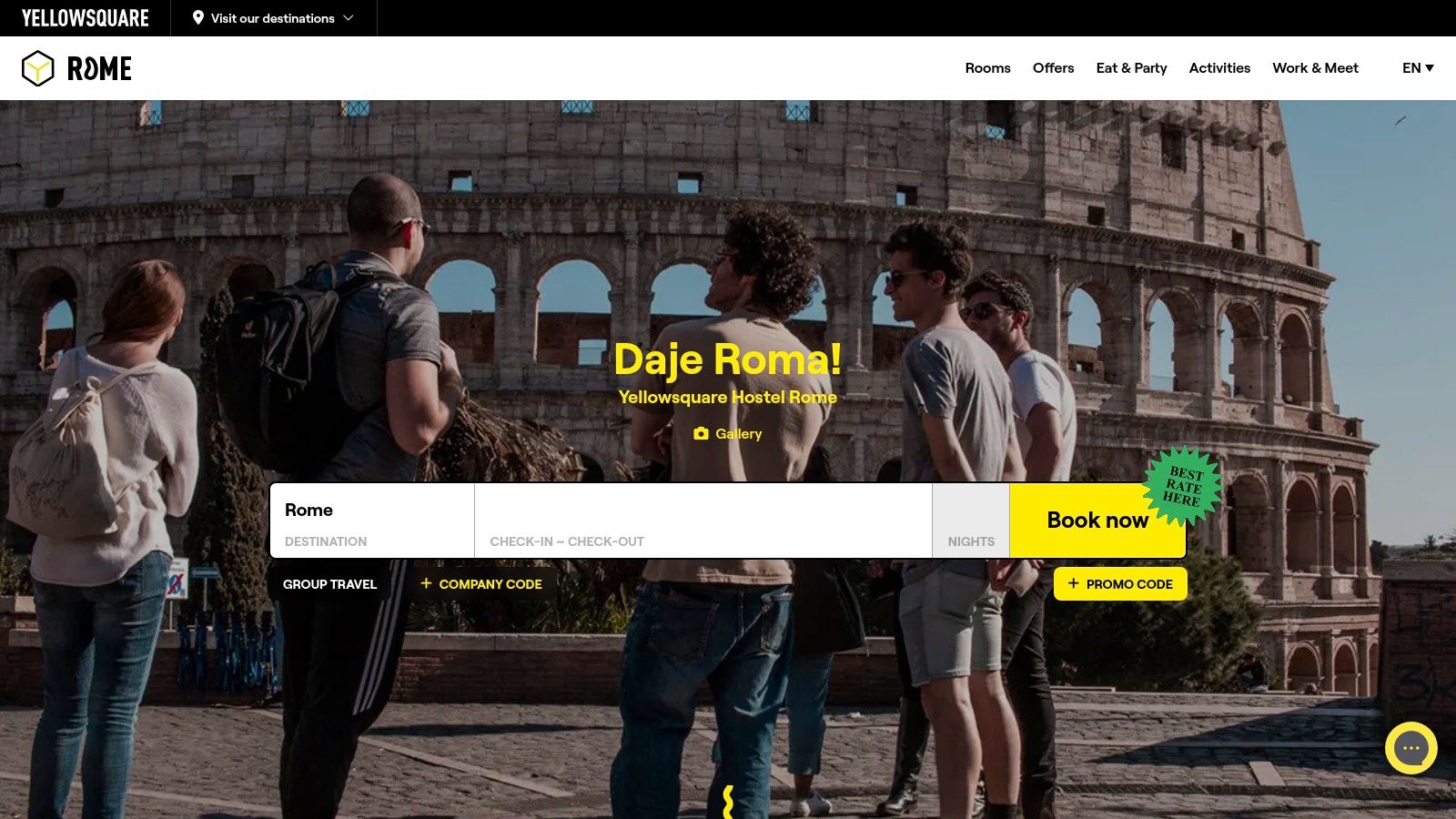
You finish a morning call, close the laptop, and want two things from your hostel. A place to keep working without balancing on a café stool, and enough social energy downstairs that meeting people takes no effort. YellowSquare Rome is one of the few hostels in Rome that gets that mix mostly right.
Its biggest advantage for digital nomads is simple. Work is built into the property, not squeezed into a corner. YellowSquare has its SmartSquare coworking setup and a free WorkingStation for guests, which makes a real difference if you need a few focused hours between sightseeing, train days, or client calls. In Rome, plenty of hostels claim to be laptop-friendly. Far fewer give you a setup that feels made for actual work.
That said, this is not a quiet retreat.
YellowSquare works best for travelers who want a productive base with a strong social layer. If you like meeting people over dinner, joining events, and having other solo travelers around, it delivers. If your week starts with 7 a.m. meetings and you wake up at every hallway door, the trade-off is obvious. The hostel has movement, noise, and party energy in the background even when your room itself is decent.
Location matters here too. Being near Termini is practical. You get easy train access, straightforward airport transfers, and a good launch point for short stays or arrival week logistics. The area is more useful than charming, though, so I’d treat it as a base for getting around Rome efficiently, not as the neighborhood experience you came to Italy for.
Why it works for nomads
A key advantage is how quickly you can settle into a routine. You can arrive, get online, handle work, then decide later whether the evening is for networking, dinner, or a night out. That flexibility is what makes YellowSquare stronger than a standard party hostel for remote workers.
It’s a smart pick for:
- Nomads who want built-in community: You won’t have to work hard to meet people.
- Short and medium stays: It functions well as an arrival base while you get your bearings in Rome.
- Remote workers testing neighborhoods before committing longer term: YellowSquare gives you a productive first stop before moving into an apartment or quieter setup.
The downside is sleep quality for light sleepers. I’d book it for community and convenience, not for silence.
If Rome might become more than a short stop, it helps to sort the bigger logistics early, especially how to work remotely from Italy as a digital nomad before you lock in a longer stay.
2. The RomeHello
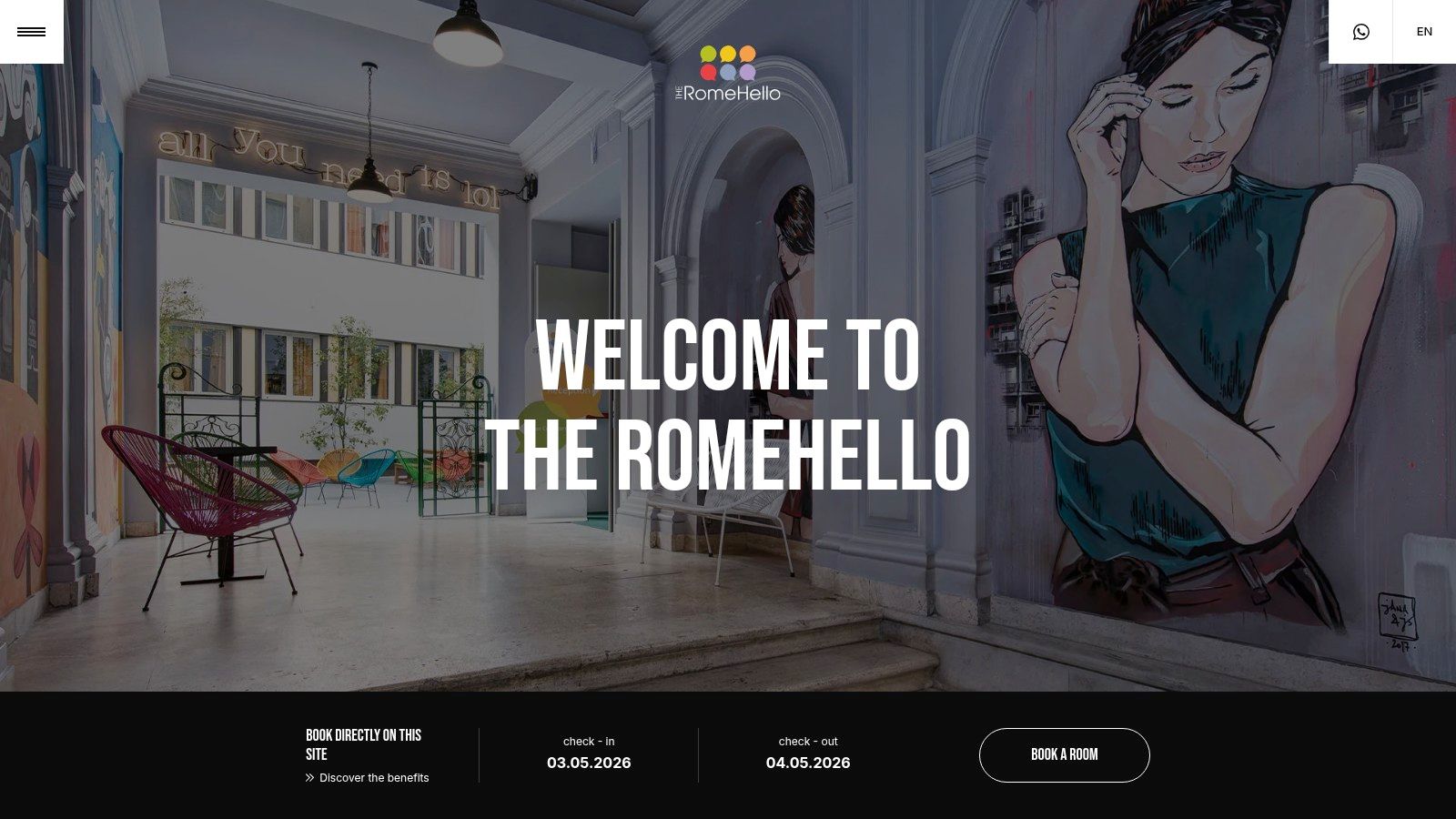
You finish dinner, head back to the hostel, and still need to clear a few emails before a morning call. That is the test for RomeHello. It works well for travelers who want a social base in central Rome without walking into an all-night party setup.
The RomeHello gets a lot right for short work-trips. The property feels organized, the shared spaces are modern, and the atmosphere is social without pushing constant noise. If you want a place where meeting people is easy but sleep is still realistic, this is one of the safer bets in Rome.
The nomad trade-off is straightforward. RomeHello is better for balanced days than for intense remote-work weeks. You have useful basics like a guest kitchen, laundry, 24/7 reception, and a café bar on-site, which make day-to-day living easier. What you do not get is a true coworking setup or the kind of dedicated workstation that makes back-to-back calls comfortable.
That distinction is key, as many Rome hostels call a café table a workspace. Here, I’d treat the common areas as good for laptop admin, planning, and a few focused hours during quieter parts of the day. If your schedule is call-heavy or you need dual-monitor-level productivity, you will probably want to pair this stay with a nearby café or coworking spot.
Socially, RomeHello gets the balance right better than a lot of central hostels. Group dinners and outings give solo travelers an easy way in, but the place usually feels more considerate than bar-first. For digital nomads, that matters in a practical way. You can meet people without sacrificing the next morning.
I also like it as a lighter-packing base for a few days in Rome. If you are arriving with work gear and moving around Europe regularly, it helps to travel with one of these digital nomad backpacks built for remote work and city hopping, especially in a property where you may shift between dorm, kitchen, lounge, and day bag mode several times a day.
In Rome, a well-run hostel often beats a more hyped one. Clean bathrooms, reliable reception, and a common area you will actually use save more stress than flashy design.
This is a strong fit for remote workers who want location, decent sleep odds, and easy social contact in one place. I’d book RomeHello for a mixed trip, part work, part city break, and choose somewhere quieter if the week revolves around deep-focus work.
For readers planning a longer move instead of a quick stay, Remote Tribe’s guide on how work in Italy fits the digital nomad lifestyle is worth reading before you lock in dates and neighborhood plans.
3. The Beehive
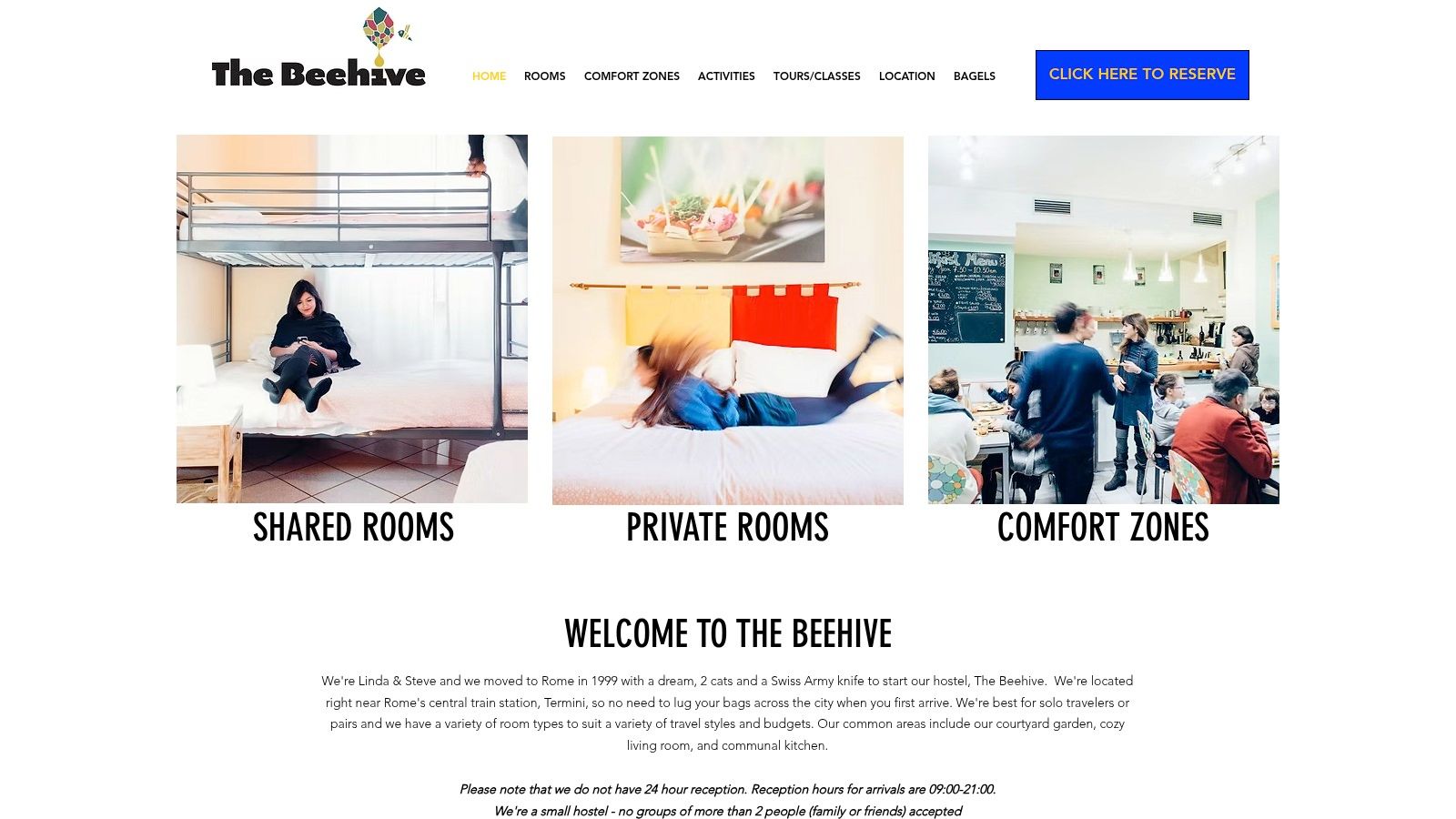
You finish a client call at 6 p.m., close the laptop, and want dinner and a real conversation, not a pub crawl under your window. That is where The Beehive stands out.
Around Termini, plenty of hostels sell energy. The Beehive sells calm. It is small, owner-run, and set up for travelers who plan to use the kitchen, sit in the common areas, and sleep properly before the next work block. For digital nomads, that trade-off makes sense. You give up some of the instant buzz of a larger hostel and get a stay that is much easier to manage day to day.
Best for quiet focus near Termini
The biggest advantage here is not a flashy feature. It is the overall rhythm of the place. The courtyard garden, shared spaces, and quieter house style make it easier to work for a few hours on-site or recharge after working elsewhere. If your trip includes writing, calls, or admin-heavy days, that matters more than a packed events calendar.
I would classify The Beehive as productivity-friendly rather than coworking-first. You can get work done here, but this is not the hostel I would choose for a full week of back-to-back meetings if I needed a formal desk setup every day. It works better for remote workers who split their time between a hostel, cafés, and occasional coworking sessions.
If that is your travel style, it also pairs well with the kind of slower, community-led stays featured in these best coliving spaces in Europe for remote workers.
Who it fits best
The Beehive usually works well for three types of guests:
- Freelancers with light to moderate workloads: Good if you need a calm base, decent shared spaces, and fewer distractions.
- Solo travelers who want conversation without party pressure: Meeting people feels easier here because the social tone is relaxed.
- Travelers staying more than a couple of nights: The kitchen and home-like setup start paying off once Rome stops being a quick stopover.
The compromise is straightforward. Small hostels have less margin for choice. Rooms can book out quickly, common areas are more intimate, and the social scene depends more on who happens to be staying that week. If you want guaranteed activity every night, a bigger property will suit you better.
Booking a quieter hostel is often the smarter move for remote work. You can always go out for atmosphere. You cannot force a loud dorm to become restful.
I also like The Beehive for nomads carrying a practical setup instead of a minimalist weekend bag. If you are moving through Europe with a laptop, chargers, and day-to-day work gear, Remote Tribe’s guide to the best digital nomad backpacks is useful for keeping that load manageable.
For Rome, The Beehive is one of the better picks if sleep, calm, and a grounded atmosphere matter more than nightlife.
4. Ostello Bello Roma Colosseo
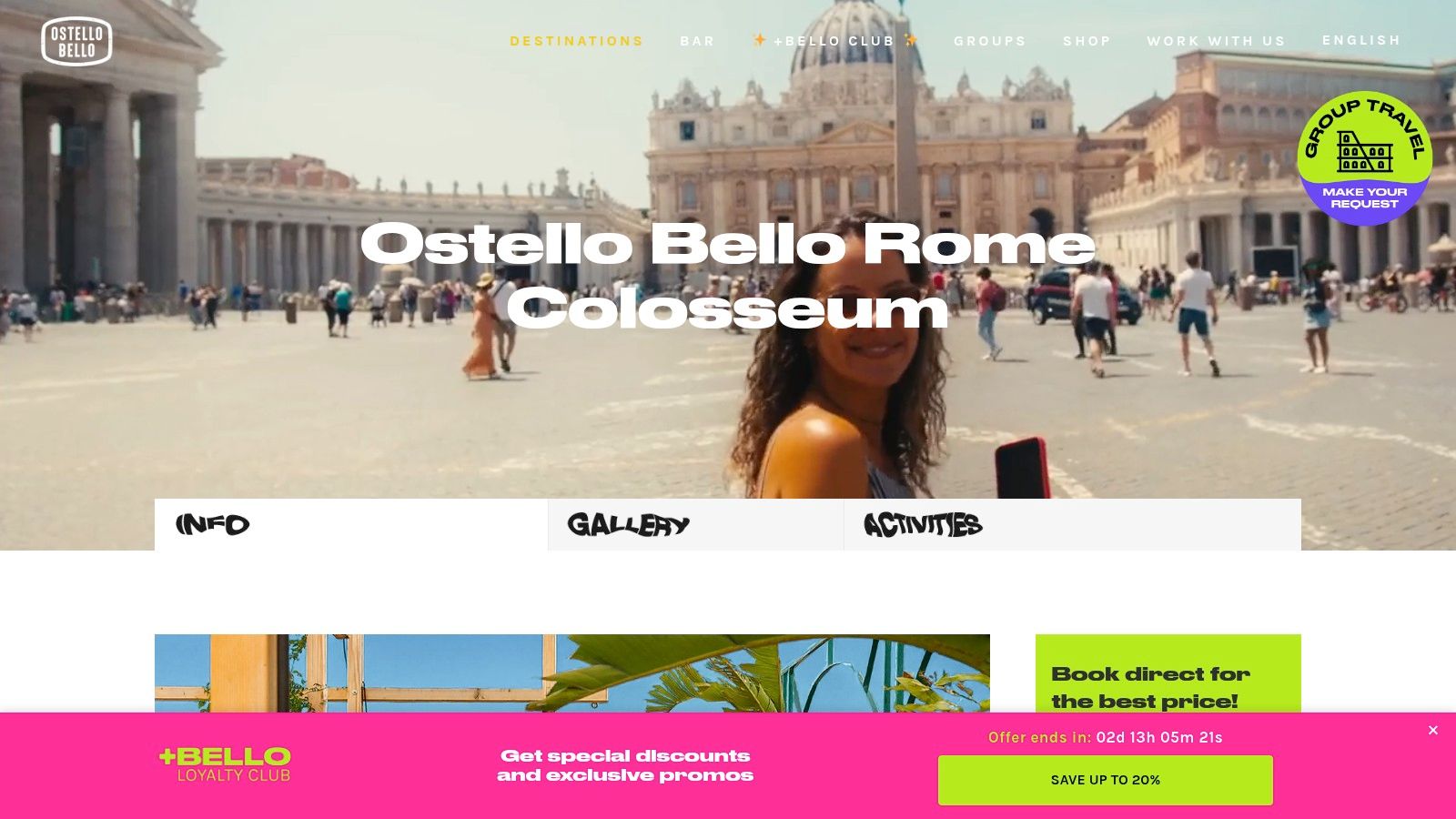
A common Rome workday goes like this. You finish calls by early afternoon, want to see something bigger than a cafe wall, and do not want a 45 minute transit mission just to get back for the evening. Ostello Bello Roma Colosseo fits that rhythm well.
Its biggest advantage is location with actual day-to-day usefulness. Staying near the Colosseum makes it easier to split your time cleanly between work and the city. You can take a morning meeting, head out on foot, and still get back quickly enough to reset before dinner. For digital nomads doing short stays, that convenience matters more than another hostel claiming a better vibe.
The social side is active, but the place still works for people who need to open a laptop. There are shared areas that suit casual work sessions, and the hostel is set up well enough for travelers dealing with odd hours, late arrivals, or clients in other time zones. I would still put it in the productive-social category, not the coworking-first category. If your trip includes several hours of focused work every day, this is a workable base, not the strongest desk setup in the city.
That trade-off is the main story here.
Ostello Bello does a lot right for solo nomads who want easy logistics. Ensuite options, common spaces with energy, regular events, and round-the-clock reception remove friction from a Rome stay. You do not need to work hard to meet people, and you do not need to overplan your days either. If you want help mapping that kind of trip properly, this guide to stress-free travel planning for longer nomad routes is worth reading before you book.
The downside is noise and pace. If the hostel is running karaoke, drinks, or a busy evening program, that atmosphere can carry into the parts of the night when remote workers are trying to wind down. Light sleepers should take that seriously, especially if an early call matters the next morning.
Who it fits best
- Social remote workers: Good if you want to meet people quickly and still have enough space to get basic work done.
- Short-stay nomads: Strong for a few nights when location and flexibility matter more than a formal workstation.
- Travelers mixing sightseeing with work: One of the easier options for combining Rome highlights with a realistic work schedule.
Ostello Bello Roma Colosseo is a smart pick when community and central location matter more than silence and desk quality. If your priority is productivity first, there are sharper options. If you want a Rome stay that feels social, convenient, and still manageable for remote work, this one makes sense.
5. Generator Rome
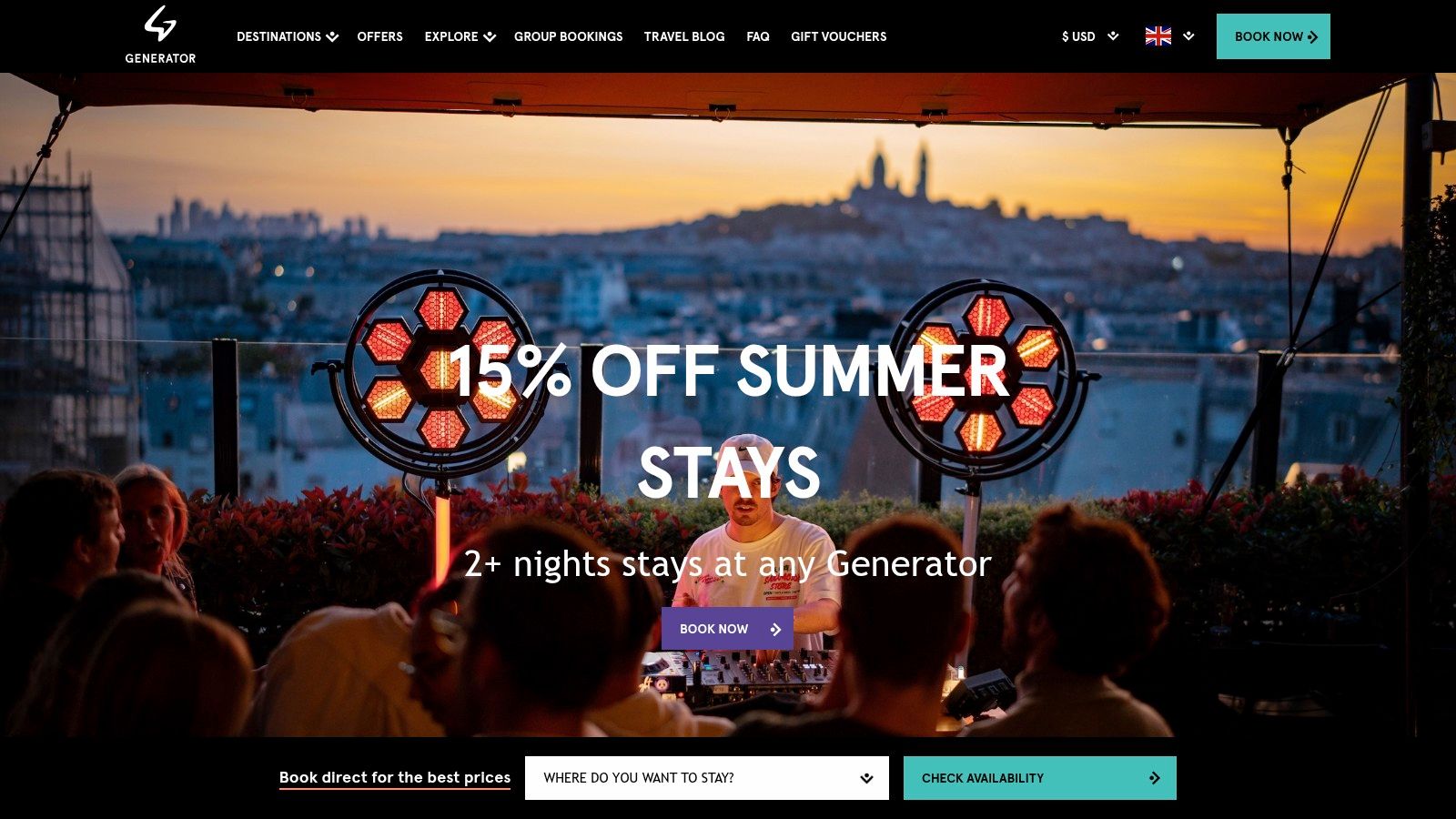
You finish a client call, close the laptop, and want a hostel that still feels put together at 7 p.m. Generator Rome fits that brief better than the average budget stay. Generator Rome has the scale, design, and brand consistency that appeal to remote workers who want fewer surprises.
That matters in Rome, where hostel quality can swing hard between charming and worn-out.
Best for nomads who want a polished base
Generator’s biggest strength is predictability. You usually get well-kept common areas, a more polished visual style than the typical backpacker hostel, and room options that work whether you are traveling solo, with a friend, or mixing work days with city days. If you care about having a base that feels presentable enough to spend time in, this one earns a serious look.
The location near Vittorio Emanuele and Termini is practical in a very digital nomad way. Airport transfers are easier, train connections are simple, and you have multiple fallback options if you need to work from a café or move across the city quickly between meetings and sightseeing.
Where it works for remote work
I would not book Generator expecting a true coworking setup. Book it if your work style is flexible. The common spaces are usually good enough for laptop sessions, admin blocks, and light calls with headphones, but they are not built for deep-focus days or back-to-back meetings.
That trade-off is the whole story here.
If you need a dedicated desk, quiet phone space, and a work-first crowd, there are stronger picks in Rome. If you want a cleaner, more design-conscious hostel with enough room to work around other parts of your day, Generator makes more sense. It suits nomads who treat the hostel as a comfortable base, not as their full office.
Social energy without forcing it
The social side is less automatic than in Rome’s more event-heavy hostels. You can meet people here, but the property does not always create that instant group dynamic on its own. Some travelers will prefer that because it keeps nights more manageable before an early meeting. Others may find it a little impersonal, especially on shorter stays when they want fast connections.
That balance is why Generator works well for independent travelers. You get atmosphere, but you still need to make your own plan for work, social time, and sleep.
If Rome is one stop on a longer work trip, this guide to planning a stress-free nomad route is useful for lining up transit, backup work spots, and smarter booking gaps between cities.
6. Free Hostels Roma
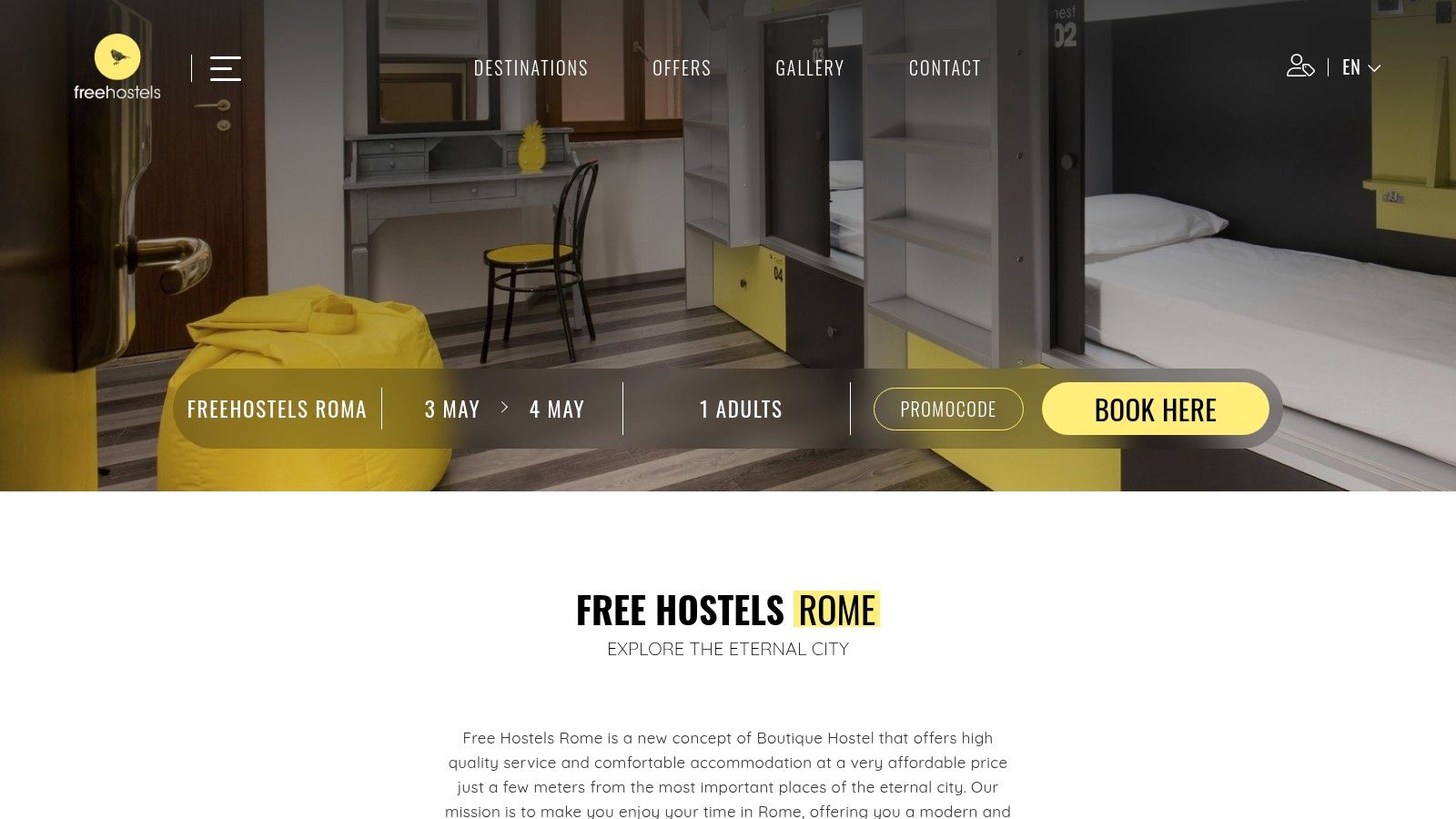
Free Hostels Roma is one of the better value comfort plays in the city. It doesn’t try to be the biggest social magnet, and that’s exactly why some travelers will prefer it. If you want hostel prices with a little more privacy and less chaos, this one deserves a look.
The strongest practical detail is simple: all rooms, including dorms, have private bathrooms. In Rome, that’s a quality-of-life upgrade that can make a week-long stay much easier, especially when everyone’s trying to get out the door at the same time.
Better comfort than the average budget stay
The location near Manzoni metro works well if you care about transit access and don’t need to be in the middle of Rome’s louder social zones. You’re still well connected, but the immediate area feels more residential than central-party. For some nomads, that’s a plus.
The room setup also does more than average. Dorm beds with individual lighting, USB ports, lockable drawers, and air conditioning in all rooms make it easier to treat the hostel as an actual base instead of just crash space.
Best for practical travelers
This is a good choice if your decision process looks like this: clean room, ensuite, transport, decent common areas, done. It’s not the place I’d pick for instant social chemistry or coworking-heavy days, but it’s one I’d trust for a comfortable and efficient stay.
The smaller common area is the main drawback. If you like spending long parts of your day around other travelers, Free Hostels Roma can feel more functional than atmospheric. That isn’t bad. It just means you should know your own travel style.
A lot of Rome hostel lists overrate excitement and underrate comfort. For remote workers, comfort often wins after the first two days.
7. Melting Pot Rome
Melting Pot Rome is the no-frills option in this lineup. That’s not an insult. Sometimes the best hostel in Rome for your trip is the one that keeps costs predictable, stays central, and doesn’t pretend to be more than it is.
This place suits travelers who know they’ll spend most of their time out in the city, in cafés, or at day-trip transit hubs. It gives you the basics, transparent direct-booking perks, and a location that keeps the Colosseum and Termini within easy reach.
Best when price is the deciding factor
Unlike many hostels that hide actual booking expectations behind vague marketing, Melting Pot is more straightforward. The plan notes include direct-booking examples from roughly €27 to €34, and that kind of transparency matters when you’re budgeting a multi-city route. I wouldn’t treat it as a productivity-first base, but I would treat it as a practical one.
You get female-only dorms, 4-bed and 8-bed options, free padlock loan, and luggage storage on arrival and departure days. Those details don’t sound glamorous. They do make budget travel smoother.
What to expect
Melting Pot works best for short stays, transit-heavy itineraries, and travelers who don’t need a built-in social scene. The small common room and kitchen are useful, but this isn’t where I’d expect spontaneous networking or long laptop sessions in a polished shared space.
The limitation is obvious. No bar, no formal coworking room, and fewer amenities overall. If your days depend on hostel infrastructure, look higher up this list.
Still, there’s a place for hostels like this. Not every remote worker needs a lifestyle property. Some just need a clean, central, affordable base that lets them direct spending elsewhere.
Top 7 Hostels in Rome Comparison
| Property | Implementation Complexity 🔄 | Resource Requirements ⚡ | Expected Outcomes 📊 | Ideal Use Cases 💡 | Key Advantages ⭐ |
|---|---|---|---|---|---|
| YellowSquare Rome | Medium, paid coworking plans and on-site programming | Moderate, day/month coworking fees; on-site services | High social networking; mixed work opportunities | Travelers who want to mix coworking with a lively social scene | Purpose-built coworking + active events (⭐⭐) |
| The RomeHello | Low, standard hostel processes, few formal coworking areas | Moderate, slightly higher rates; café/bar on site | Calm, clean stay with steady social options | Guests seeking cleanliness and balanced social life | Cleanliness & friendly staff; supports social/environmental projects (⭐⭐) |
| The Beehive (Termini) | Low, owner-run, simple booking and house rules | Low, modest amenities, communal kitchens and garden | Quiet, home-like atmosphere suited to remote work | Remote workers and travelers wanting a peaceful base | Strong hospitality, clear quiet hours (⭐⭐) |
| Ostello Bello Roma Colosseo | Medium, nightly events and 24/7 services to navigate | Moderate, social programming, rooftop/bar access | Very social environment; easy to meet others | Social travelers near major sights and groups | Consistent events, ensuites and 24/7 team (⭐⭐) |
| Generator Rome | Medium, hybrid hotel/hostel operations and events | Moderate–High, design-led facilities, multiple lounges | Stylish social spaces with dependable services | Travelers wanting polished communal areas and reliability | Polished interiors, multiple work/social spaces (⭐⭐) |
| Free Hostels Roma | Low, straightforward operations and transit access | Moderate, good value; ensuite bathrooms even in dorms | Private-feeling hostel stay with solid comfort | Budget travelers wanting privacy and convenience | Ensuite dorms and strong value for price (⭐⭐) |
| Melting Pot Rome | Low, no-frills, transparent booking and simple amenities | Low, budget pricing and basic common areas | Functional, low-cost base with limited social programming | Budget-conscious travelers focused on location | Competitive published prices and central location (⭐) |
Your Rome Work-Trip Final Checks and Booking Strategy
Once you’ve narrowed your shortlist, the final decision usually comes down to one question: do you want your hostel to support your workday, your social life, or both? Rome has options for each, but very few hostels do all three equally well. That’s why choosing based on your actual week matters more than choosing based on a generic “best overall” badge.
If work is the priority, start with atmosphere before price. A cheaper hostel that ruins your sleep or forces you to spend every day hunting for a café doesn’t end up being cheaper. It just shifts the cost into lost time, bad calls, and a worse routine. For focused work, The Beehive is the safer play. For a livelier setup with dedicated remote-work intent, YellowSquare is the stronger bet.
If you want balance, The RomeHello is a smart middle ground. It’s social without feeling chaotic, polished without being sterile, and central enough that your off-hours still feel like Rome. Ostello Bello also fits that mixed-use traveler well, especially if sightseeing and social events matter as much as productivity.
A simple booking strategy helps a lot in Rome. Peak season pressure is real, and the city’s strongest hostel options don’t stay open for last-minute perfection. If you’re traveling between April and October, book early, especially for smaller places or the hostels with stronger reputations among solo travelers. Even when you’ve found one of the best hostels in Rome, send a direct message before booking if WiFi reliability, quiet hours, late check-in, or luggage storage could affect your schedule.
Ask specific questions. “Is the WiFi good?” gets a vague answer. “Can I reliably take video calls in a quiet common area between 9 and 11 a.m.?” gets a useful one.
Neighborhood choice matters too. Termini is the practical nomad pick. It’s not the prettiest part of the city, but it wins on transport, airport access, and train convenience. If you’re only in Rome for a short stint or you’re moving around Italy, that convenience is hard to beat.
Monti gives you a more charming day-to-day experience. It’s better for cafés, wandering, and that version of Rome that feels easier to sink into after work. Trastevere is great if nightlife is high on your list, but it’s less ideal if you need early mornings and ultra-smooth transport.
One mistake I see often is treating a hostel booking like a final decision instead of a first base. In Rome, it can be smarter to book four or five nights in a well-located hostel, learn the rhythm of the city, and then extend or switch. That approach is especially useful if you think you might move into an apartment, a quieter guesthouse, or a coliving setup after you get your bearings.
The final check is personal discipline. Rome will distract you. That’s part of the appeal. The right hostel won’t magically make you productive, but it will remove enough friction that you can enjoy the city without losing your workweek. Book with your real habits in mind, not your fantasy version of yourself.
And before you land, it’s worth brushing up with basic Italian phrases for tourists from Polychat. Even a little Italian goes a long way with reception staff, café owners, and those small daily moments that make Rome easier.
Remote Tribe is a strong resource if you’re planning more than just one Rome stay. The site covers visas, coliving, remote work gear, travel strategy, and destination planning for people building a location-independent life. If you want practical nomad guidance instead of recycled travel fluff, check out Remote Tribe.

Other Articles


One Comment
Comments are closed.






[…] The 7 Best Hostels in Rome for Nomads (2026 Guide) […]