The idea of work has changed more in the last five years than it did in the previous fifty. Offices have become optional, commutes are fading, and more people are asking a simple question: if I can work from anywhere, why am I still staying in one place?
That question is quietly reshaping how people think about productivity, lifestyle, and even what an “office” is supposed to look like.
For a growing number of professionals, the answer is no longer a home office, a coworking space, or a coffee shop. It is something far more flexible: a fully mobile office built into an RV.
What once felt like a niche lifestyle has evolved into a practical, scalable solution for remote workers who want more control over how and where they work. And behind the scenes, an entire ecosystem is forming to support it, from connectivity tools to rental platforms to services like RV Management USA, a full-service rental management program that helps RV owners make passive income with their RV, which is helping meet the surge in demand from people working on the move.
This is not just about travel. It is about rethinking the office itself.
From Home Office to Mobile Office
Remote work originally meant one thing: working from home. For many people, that meant recreating their office environment as closely as possible. A desk, a chair, a second monitor, and a reliable internet connection.
It worked, but it did not fully deliver on the promise of freedom.
Over time, people began to realize that remote work was not just about eliminating a commute. It was about unlocking location independence. The question shifted from “How do I make my home feel like an office?” to “Why does my office need to stay in one place at all?”
This is where mobile office spaces began to emerge.
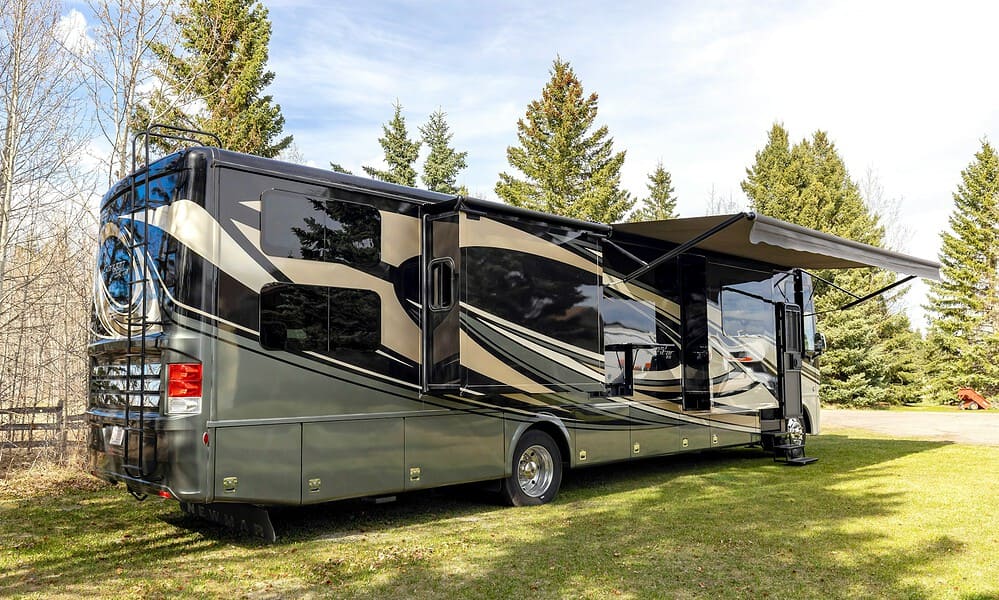
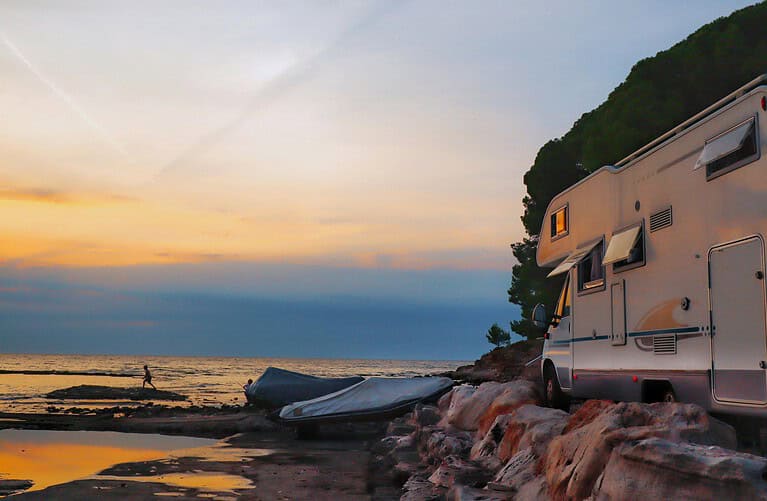
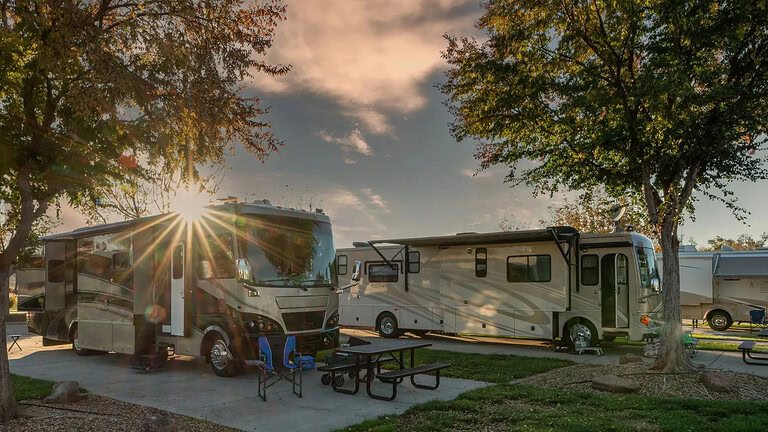
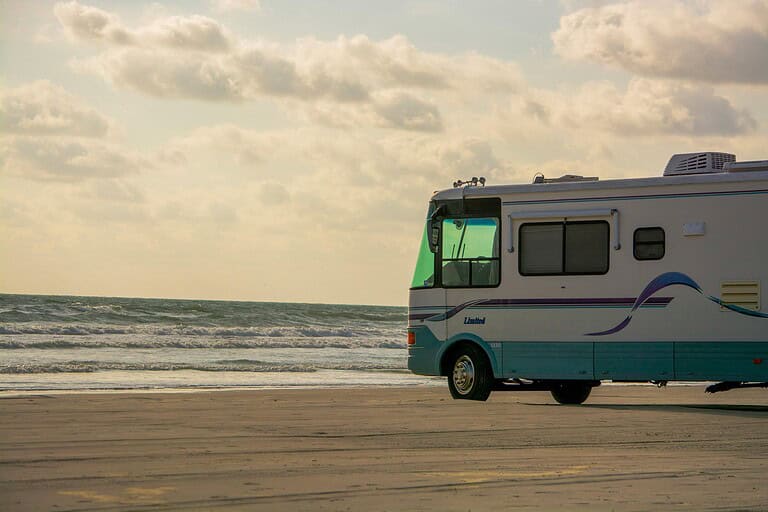
An RV, when set up properly, becomes more than a vehicle or a temporary living space. It becomes a fully functional office that moves with you. A workspace that can be parked by the ocean one week, in the mountains the next, and outside a major city when you need access to business opportunities.
Unlike traditional workspaces, it does not require a lease, a long-term commitment, or even a fixed routine. It adapts to you.
Designing a Workspace That Moves With You
At first, the idea of a mobile office might seem strange, but in reality, it is quite sophisticated.
Modern RVs are built to support high-quality living every day, so they are also naturally good for work. With some planning, they can be turned into comfortable, productive work spaces that are just as good as traditional offices.
A lot of remote workers set up separate work areas in their RVs, making sure that “work mode” and “living mode” are separate. During the day, a dinette serves as a desk. A chair that swivels can be used as a desk. Storage compartments hold monitors, keyboards, and other equipment that can be set up or taken down in a matter of minutes.
The end result is a workspace that is useful and adaptable.
Groups like Go RVing have talked about how modern RV design has changed to make it possible to live in one full-time, which also means being able to work in one. These aren’t just temporary setups. They are planned places that help people get work done while traveling.
The Freedom of a Location-Independent Office
One of the most powerful aspects of a mobile office is how it changes your relationship with location.
Instead of being tied to a city, a lease, or even a specific time zone, your workspace becomes portable. You are no longer choosing where to live based on proximity to work. You are choosing where to work based on how you want to live.
This creates a level of flexibility that traditional remote work does not fully capture.
You can spend weeks working near nature, where your breaks involve hiking trails or swimming instead of scrolling on your phone. You can position yourself near major cities when you want access to networking, events, or collaboration. And when a place no longer feels aligned, you move.
That ability to relocate without disruption is what makes mobile offices fundamentally different from working remotely in a fixed location.
Connectivity: The Backbone of the Mobile Office
Of course, none of this works if the internet isn’t working.
For a lot of people, the biggest problem with working from the road was being able to connect to the internet. It is one of the most solved problems today.
Most of the time, remote workers use a layered approach to stay connected. They use mobile hotspots, signal boosters, and campground WiFi together. Satellite internet is becoming more and more important for people who want to work from home.
Systems like Starlink have made it possible for people to work in more places without losing performance. Places that used to be off-limits for remote work are now completely open.
Campgrounds are also changing at the same time. A lot of them now focus on long-term guests and remote workers, providing better Wi-Fi, quieter spaces, and infrastructure that helps people get things done. Websites like KOA and Recreation.gov make it easier to find places that meet both your work and lifestyle needs.
Connectivity is no longer a problem for the mobile office. It makes it possible.
The Rise of Flexible Work Lifestyles
Mobile office spaces are especially interesting because you don’t have to change your whole life to use them.
A lot of people get used to this way of working by doing it for a short time. A few weeks on the road. A month of working in a new place. A change in their usual routine because of the season.
This “workcation” method has become a natural way to get started. It lets people try out the idea of a mobile office without having to commit to it for good.
Rental sites like Outdoorsy and RVshare have made this much easier to get to. People can try out the RV lifestyle and see how it fits into their work and life before they buy one.
People often change how they think about what is possible after a short experience.
A New Opportunity Hidden in the Trend
The number of people who want RVs has grown quickly as more people work on the go.
That need has opened up an opportunity that a lot of people miss.
Owning an RV isn’t just for personal use anymore. It can also be a source of income. People who own RVs but don’t use them all the time can rent them out to people who want to live in a mobile office, either for a short trip or a longer stay.
This makes for a unique situation in which one person’s work space turns into another person’s business opportunity.
Of course, managing rentals means keeping track of things, planning, and doing repairs. It is not always passive. But with the right systems or help, it can be a simple way to join the growing work-from-anywhere economy.
In a lot of ways, it reflects the bigger change that is happening in many industries. Assets that were once sitting around are being put to use and added to flexible, experience-driven markets.
Here's a great idea on how to setup your work from RV
Rethinking Productivity and Balance
One of the most interesting outcomes of working from a mobile office is how it changes the way people think about productivity.
In a traditional setting, productivity is often tied to time spent at a desk. In a mobile environment, it becomes more outcome-driven. Work is still completed, deadlines are still met, but the structure around it becomes more fluid.
A workday might begin with focused hours in the morning, followed by time outdoors in the afternoon, and then a return to work later in the day. Instead of rigid separation, work and life begin to coexist in a way that feels more natural.
This does not mean working less. It means working differently.
For many people, that shift leads to greater satisfaction, not just in their work, but in how their work fits into their life.
The Mental Shift Behind the Movement
Choosing to use a mobile office isn’t just a matter of convenience. It’s a mental thing.
It means giving up the idea that you have to stay in one place to be stable. Instead, routine, discipline, and adaptability are what make things stable, no matter where you are.
Some people do very well in this setting right away. Some people need time to get used to it. There is no one right way to do it.
What matters is being in line.
For some people, that means traveling full-time. For some, it means adding times of movement to an otherwise stable life. The model is flexible enough to allow for both.
What Comes Next
The shift toward work-from-anywhere is not slowing down. Companies are continuing to expand remote policies, and individuals are placing more value on flexibility, autonomy, and experience.
Mobile office spaces are a natural extension of that trend.
They offer something that traditional offices cannot: the ability to design your environment in real time, based on what you need, what you value, and how you want to live.
Final Thoughts
The office is no longer a place. It is a function.
Once you understand that, the possibilities expand quickly.
For some, that might mean working from home. For others, it might mean rotating between cities. And for a growing number of people, it means building a mobile office that allows them to work from wherever they feel most inspired.
RV living is not just about travel. It is about reclaiming control over where and how work happens.
And as that idea continues to take hold, the line between work and lifestyle will keep evolving in ways we are only beginning to understand.
Andrew Williams is the Founder of Remote Tribelife, an online magazine for digital nomads and remote working. Andrew has an extensive background in SEO and content marketing. His experience with digital marketing goes back to his early age in University when he founded a blog about startups and funding. He does his best writing in the coffee shops in Bali or in the condos of busy cities like Bangkok and Singapore. He is currently based in Singapore. You can connect with Andrew on his Linkedin profile and/or follow Remote Tribelife on Instagram.