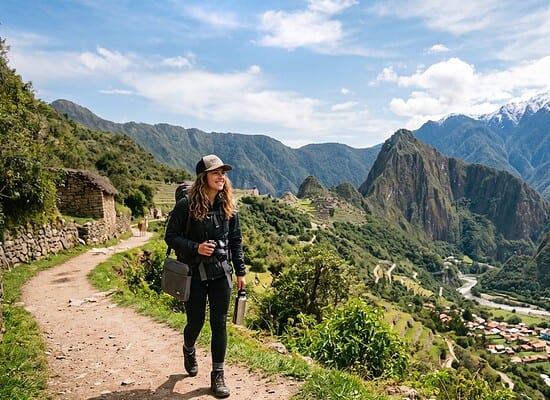
The standard view of remote work is centred on location. A beach, a mountaintop, a café in Paris, or the open road from an RV. While place is a factor, this focus is misleading. It suggests the primary benefit is external. In reality, the most powerful change is internal.
Remote work is about autonomy over your attention. It provides the structural opportunity to match your daily schedule to your personal values. The location is a feature, but the true upgrade is intentional living—making conscious choices about how every hour is spent.
The Currency of Reclaimed Time
Think about the hours you used to lose just getting to your desk. The commute alone can give you back hundreds of hours a year. That is your new raw material. The real shift happens when you stop seeing that time as simply “free” and start treating it as your most valuable asset to allocate with purpose.
The Office’s Built-In Interruptions
A standard office day is not designed for deep focus. Your flow is constantly broken.
The open floor plan buzz. Unplanned chats at your desk. Meetings that scatter your concentration across the day.
This fragmentation makes it hard to do your best work in a logical sequence.
Crafting Your Own Rhythm
Remote work allows you to reset that default. Your day can follow your personal energy, not a building’s operating hours.
Early riser? Use the quiet morning for complex tasks. Save calls for when your energy dips later.
Slow starter? Use mornings for administration. Guard your peak afternoon hours for creative or demanding projects.
This is intentional design. You protect time for focus just as you would for a critical meeting.
With this control, you stop “sneaking” life in. You build it into the framework. A 3 PM workout slot is non-negotiable. You can attend a weekday family event without using vacation time. Even a walk after lunch becomes a standard practice for mental refreshment.
What happens when these actions become standard? They stop requiring willpower and start providing stability. This consistency directly counters fatigue and overwhelm. Having true ownership of your time makes a measurable difference. Studies from the American Psychological Association identify schedule control as a key factor for mental well-being. The goal is no longer balance, but a natural integration where one part of your day supports the others.
Designing Your Space for Function and Mindset
Let’s get practical for a second.
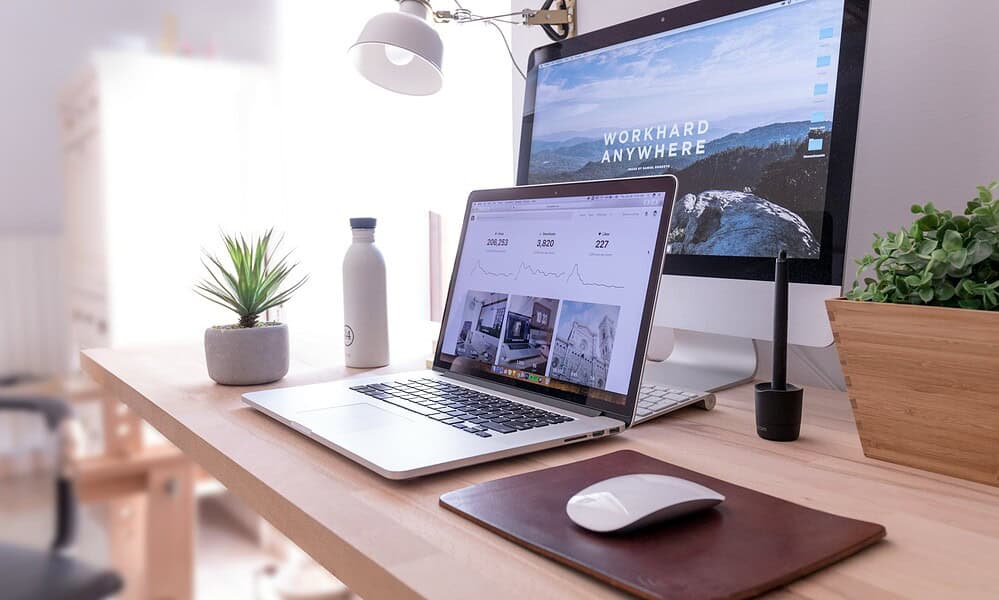
You need a place to work. But that place is no longer just a desk in a row of desks. It’s your domain. And how you set it up can mean the difference between a focused, productive day and one filled with distraction and back pain.
Forget trying to recreate a corporate office. The goal is to create a space that works for you. This is one of the most tangible parts of intentional remote living.
Subscribe to our Newsletter
Get The Latest News On Digital Nomad Lifestyle, Remote Working Communities
And Much More.
100% spam free. We never share your email address. Unsubscribe anytime!
Craft Your Workspace with Purpose
That corner of your kitchen table can become your command center. The right setup does more than hold your laptop—it tells your mind it’s time to work. This is where intention meets daily practice.
Build your foundation first. Start with what your body needs.
A supportive chair makes long hours sustainable.
Raise your screen to eye level with a stand or a stack of books.
An external keyboard and mouse prevent hunching.
Don’t think of these as luxuries. They’re the basic requirements for physical comfort, which directly enables mental focus.
Now, shape your sensory world. You control the details.
Seek out natural light. It boosts alertness. If you’re in a dark room, invest in a quality desk lamp.
Sound matters. Test what works—silence, instrumental music, or ambient coffee shop noise. Good headphones are essential.
Look up from your screen. What do you see? A cluttered shelf or a blank wall? Consider adding a single plant or a piece of art that calms you.
Set the right temperature. Being too hot or too cold is a constant, low-level distraction you can now eliminate.
Prepare for the predictable glitches. Tech problems are a fact of remote life.
Your home Wi-Fi will fail. Know your backup plan. Which nearby spot has strong, free internet?
Keep a power bank and all necessary chargers in one dedicated pouch or drawer. Frantic searches for cables break your flow.
Before an important video call, do a quick connection speed test.
Take this logic anywhere. As a digital nomad, you’ll quickly learn to scout for function.
Walk into a cafe and immediately note the location of power outlets. Before committing to a seat, ask for the Wi-Fi password and test its strength. Observe the noise level. Is this a place for deep work or just for checking email?
Fellow travelers share these real-world insights on forums and review sites. This crowd-sourced knowledge helps you choose spaces that truly support productivity.
Your workspace, fixed or mobile, is a direct reflection of your priorities. Building it with purpose is a quiet step toward a better work life.
Technology That Works for You
We know the scene. You’re finally in the zone, writing that proposal or coding a tricky feature. Then, the familiar ding. A Slack message from a colleague. A calendar alert for a meeting you forgot. Your flow state is gone, replaced by fractured attention. In remote work, your greatest asset—your connectivity—can also be your biggest liability. The goal is to bend these tools to your will, to make them support deep work instead of sabotaging it.
Start with a team pact on communication. Without an office to provide context, a notification carries all the weight. Solve this by agreeing on some basic rules. Get your team together and decide:
Instant Messaging is for urgent, quick questions that need a prompt reply.
Email is for detailed, non-urgent information that can wait a day.
Video Calls are for collaborative meetings, brainstorming, and social connection.
This clarity lets you silence notifications guilt-free, knowing what truly requires your immediate attention.
Embrace the power of “async.” The constant pressure for instant replies makes sustained thought impossible. Remote work’s gift is flexible time; use it. Shift towards asynchronous collaboration where work is visible, not announced.
Centralize your workflow. Adopt a shared project management platform, such as Trello or Asana, to serve as the single source of truth for tasks, documents, and progress.
Communicate through updates, not just announcements. Encourage team members to document progress and decisions within these shared tools, reducing the need for disruptive “check-in” messages.
Respect different productivity cycles. Allow team members to engage with tasks and updates during their own focused hours, not only during a standard 9-to-5 window.
This allows everyone to work in their own productive cycles, leading to better work and less burnout.
Let software handle the busywork. Your brain is for big ideas. Free it from mundane tasks by setting up automation.
Create email filters to sort incoming messages automatically.
Use a scheduling app like Calendly to book meetings without endless emails.
Adopt tools that handle repetition. Many professionals now use AI systems designed to reduce cognitive load for tasks like transcribing meetings or generating first drafts. This saves your mental energy for strategic thinking.
Clean your digital house quarterly. Apps and their notifications pile up like clutter. Set a recurring reminder to audit your tech stack.
Review every app’s notification settings. Turn off anything that isn’t critical.
Unsubscribe from tools you no longer actively use.
Ask if you can consolidate multiple tools into one.
This regular pruning is essential, as managing digital clutter is a direct investment in your focus and well-being. Your tech should feel like a sharp, quiet tool in your hand, not a noisy power tool running in the next room.
Drawing a Line Between Work and Life
There’s a strange thing that happens when your home becomes your office. The workday never really ends. You finish dinner and think, “I’ll just check my email.” Suddenly, it’s 9 PM and you’re still mentally on the clock. That line between working and living disappears. For remote work to be sustainable long-term, you have to draw that line yourself, in ink. It’s the only way to protect your energy and your personal life.
Your new commute is a ritual. Since you don’t have a drive home to decompress, you need to create a transition. It could be as simple as a five-minute routine that signals the day is done.
Write down three things you accomplished today and one priority for tomorrow. This closes the mental loop.
Shut down your computer completely. Don’t just close the lid. That click of the power button is a period at the end of a sentence.
Change your clothes. Swap your work shirt for a soft sweater. It’s a physical signal that your time is now your own.
This practice feels small, but it’s powerful. It tells your brain to switch modes. Without it, work thoughts follow you to the dinner table and into bed.
Not every hour of work is created equal. Trying to operate at full intensity for eight hours straight is a recipe for burnout. Your energy ebbs and flows. A sustainable week has a rhythm.
Identify your peak focus times. For many, it’s the quiet morning hours. Guard that time for your most demanding projects. Communicate to your team that you are entering a focus block.
Schedule administrative tasks for your natural lulls. Answer non-urgent emails, file expenses, or organize your digital files in the afternoon when your creative energy dips.
Build actual breaks into your calendar. A 20-minute walk or a proper lunch away from your desk isn’t slacking. It’s a strategic reset that lets you return to your work refreshed.
This varied pace is more natural and productive than a flat, grinding schedule.
Real time off requires a real disconnect. A vacation where you’re still checking Slack isn’t a vacation. It’s just working from a prettier location. To truly recharge, you have to be intentional about disconnecting.
Before you leave, set a strong out-of-office message. State clearly that you are offline and provide a colleague’s contact for true emergencies.
Remove work email and messaging apps from your phone for the duration of your trip. A less intensive step is to mute non-essential alerts.
Fill your time with activities that engage you completely. Go for a long hike where there’s no cell service. Read a novel. Try a local cooking class. The goal is to be so present in your experience that you forget about work entirely.
This disciplined approach preserves your energy and creativity over the long term. Organisations that support these boundaries often see more sustained innovation and commitment from their teams. They recognise that guarded personal time directly contributes to higher-quality professional output. When you begin and end your work with clear intention, you sustain the quality of your craft and the quality of your daily life.
Final Thoughts
What begins as a change in geography evolves into a change in philosophy. Remote work, practiced with intention, offers a framework to edit your life according to your own values. It turns location, schedule, and environment from imposed conditions into active selections. The final result is integration. Your work becomes a part of your life’s design, not the organizer of it. This seamless fit—where your profession and your personal vision pull in the same direction—is the true promise fulfilled.
Getting there is a daily practice. It is choosing to protect your focus time, to design a workspace that serves you, and to disconnect completely when the day is done. It is the minor decision to go for a walk at noon and the major decision to move across the country to be near family. The infrastructure of remote work gives you the platform. Your intentional choices build the life that stands upon it. The laptop is just the access point. The living, the thriving, the aligning—that part is entirely, wonderfully, up to you.
If you want to become a digital nomad or find your crew, sign up for our free newsletter and get upcoming articles straight to your inbox!
We’ve got some great content on our Instagram and on our Facebook Group too where you can network with other nomads from all over the world.
Your Travel Resources Handy In One Place 🗺️
🧳 Travel Insurance
Enjoy peace of mind during traveling and don’t leave your country without good travel insurance. We recommend Insured Nomads or Genki for international travel insurance.
💰Travel Finances
Get your travel finances smart and straight with Wise or Revolut.
🏨 Accommodations
For a short stay check out Booking or Agoda. Staying longer? Take a look at the offers at Airbnb. Hostels are the cheapest option that you can explore at Hostelworld.
🏡 Recommended places for long-term stay
Wanna know the accommodations where we lived during our digital nomad journey? Check out the places we enjoyed the most!
🎫 Book tours
Are you up for taking part in epic guided tours? Book ones you like using GetYourGuide or Viator.
🚗 Rent a car
To find great rental car deals check out Rental Cars and get ready for your car trip!
Andrew Williams is the Founder of Remote Tribelife, an online magazine for digital nomads and remote working. Andrew has an extensive background in SEO and content marketing. His experience with digital marketing goes back to his early age in University when he founded a blog about startups and funding. He does his best writing in the coffee shops in Bali or in the condos of busy cities like Bangkok and Singapore. He is currently based in Singapore. You can connect with Andrew on his Linkedin profile and/or follow Remote Tribelife on Instagram.