


The Challenges of The Digital Nomad Lifestyle
Like with any major lifestyle change, there are benefits and challenges. Everyone’s experience as a digital nomad is different, but there are several common challenges faced by remote workers abroad. Here are a few of them:
Loneliness
Relocating to a new area can be daunting and unsettling. Digital nomads who are travelling alone agree to experiencing loneliness and isolation within the first year of moving overseas. Language barriers make it difficult to connect and meet new people in the area, so it often takes a couple of months – sometimes longer – to fully settle in. The best way to beat feeling alone when you first relocate is to stay in touch with friends and family and find local events and activities that can introduce you to your new community.

Visa Complications
Visa applications, even for the best applicants, can be time-consuming and tedious. Some countries offer better opportunities for digital nomads looking for residency, such as Spain and Greece. Within their visa schemes, digital nomads can be excluded from income tax as well as offered pathways to permanent residency. To have the best chance at application success, be sure to thoroughly research the visa requirements for each country you’re planning on travelling to. For professional advice, you can hire an immigration lawyer who can support you with gathering all the appropriate documents for your application.
Work-Life Conflicts
Working remotely overseas offers a completely different working environment compared to what you’re used to. So much so that it can be difficult to maintain professional work when you’re surrounded by beautiful sights and places to explore. A number of digital nomads experience challenging periods when they first relocate, where their professional and personal life can feel difficult to balance.
The Best Countries For Digital Nomads
Over the past decade, a number of countries have become digital nomad hotspots. Some are popular destinations because of their super-fast internet speed, whereas others have gained attention because of their impressive transport infrastructure that makes travelling affordable and efficient. Here are the top countries for Digital Nomads today:
Portugal
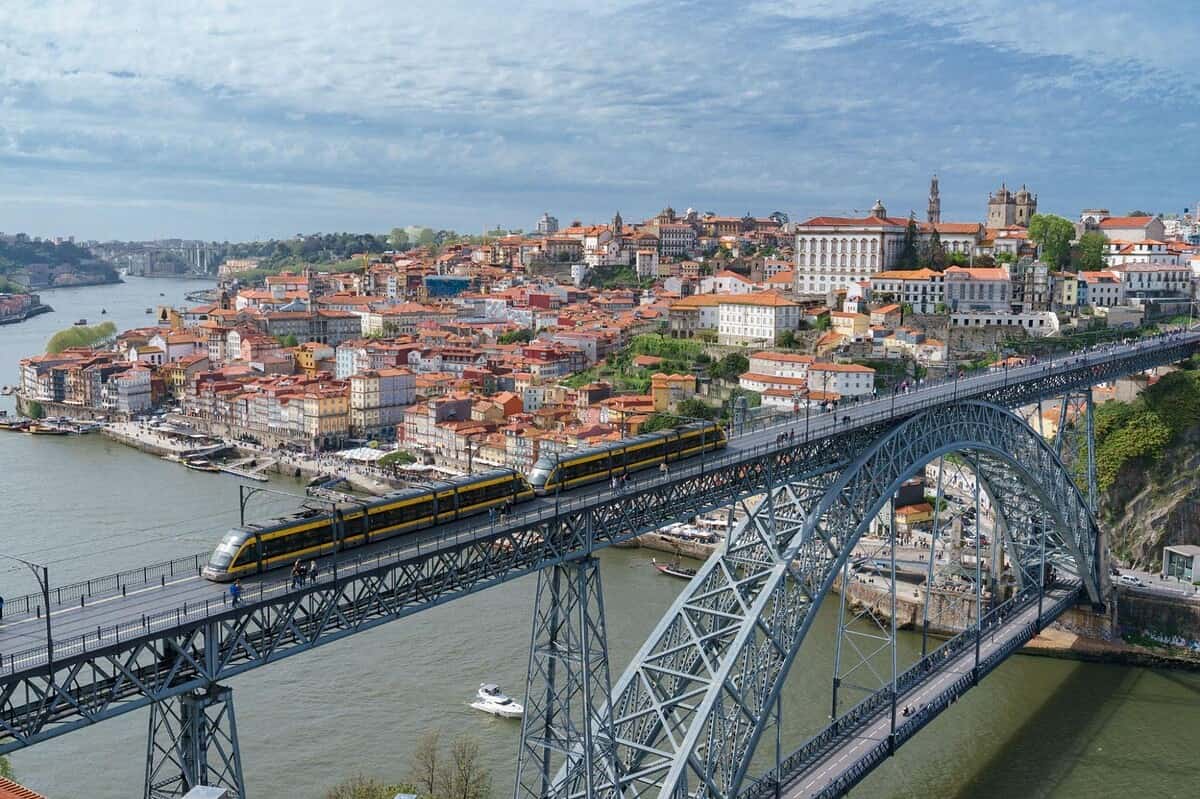
Portugal is known for its appealing climate with warm temperatures and sunshine almost all year round. The Algarve in particular stands out as the sunniest region, making it a fan favourite for remote workers looking to relocate for warmer weather. The historic country is actually ranked as one of the safest countries in the entire world, which attracts hundreds and thousands of remote professionals every year. Typically, these remote professionals will enter on Portugal’s specific Digital Nomad Visa. Lisbon and Porto are two attractive cities in the country. They’re lively regions and home to welcoming locals. The local cafes in Porto and Lisbon also offer free, high-speed WIFI, which makes remote work efficient and convenient for digital nomads in the country.
Thailand
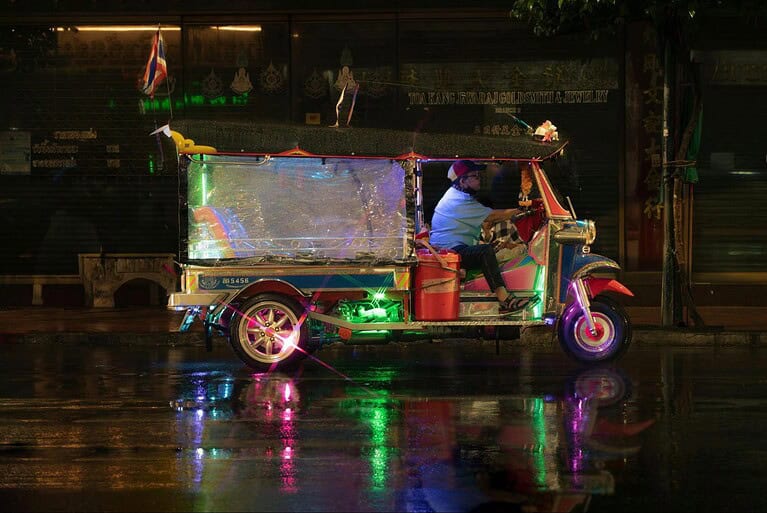
If you’re just starting out on your digital nomad journey, or if you’re looking for affordable destinations that allow you to save money, Thailand is the perfect place to consider. The country’s local hospitality and food services are considerably cheap, with the average meal costing between £0.90 and £2.70! Alongside food and beverage services, Thailand’s housing and rental markets are significantly more affordable than other digital nomad hotspots, particularly those in Europe. The country offers its residents the best of both worlds, where they can choose from thriving urban cities like Bangkok or the sun-soaked islands of Phuket. An impressive benefit of relocating to Thailand is its world-class healthcare facilities, which make routine checkups and emergencies cost-effective and easily accessible.
Costa Rica
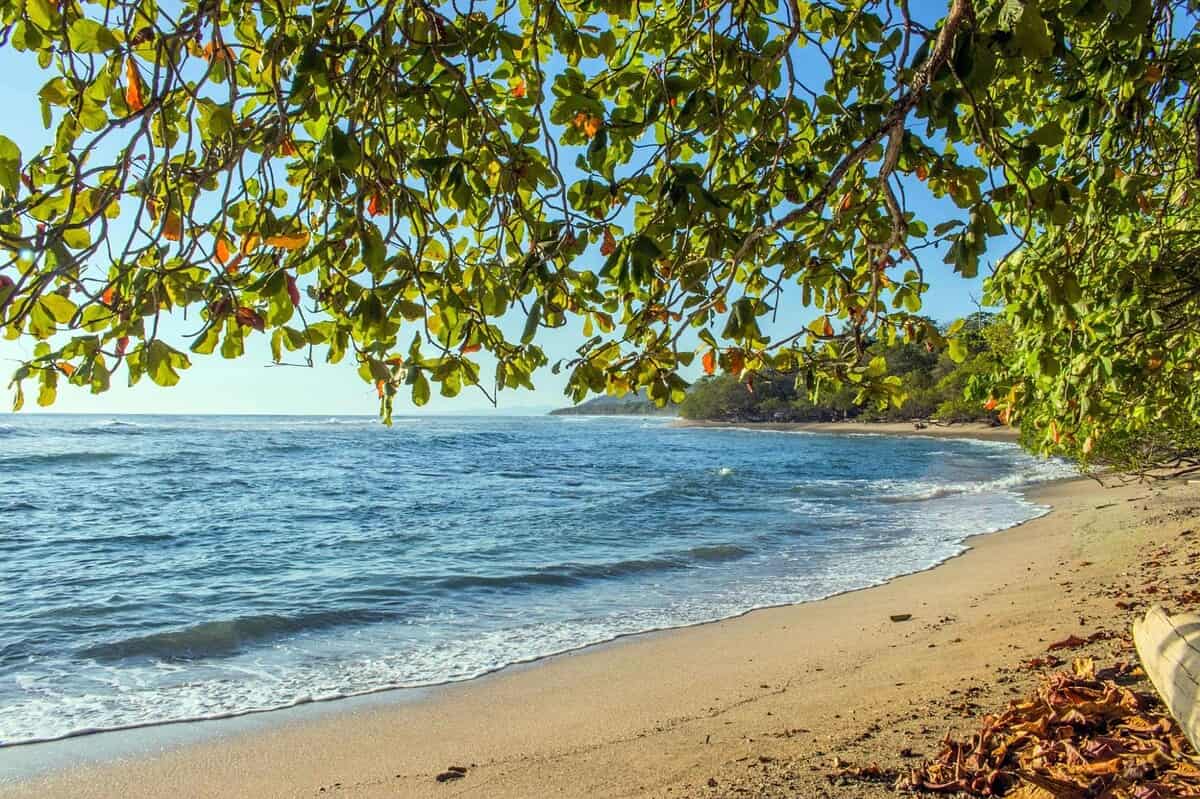
Costa Rica’s specific digital nomad visa allows travellers to live and work in the country for 12 months, after which time they can renew for another year. The Costa Rican government also supports overseas residents by excluding them from income tax on the foreign income that they’ve earned. Digital nomads are encouraged to bring their essential work equipment with them when they relocate to Costa Rica, as it can be brought in fully tax-free. A major reason why remote nomads choose to live in Costa Rica is because of its favourable time zone, which aligns closely with North America’s working hours and is only a couple of hours ahead of the UK. Although the country is located in Central America, it is well-known for its stable government and safe residential environment. Certain regions in Costa Rica, like San José, have a growing food and culture scene, popular amongst digital nomads interested in the Costa Rican traditions and heritage.
Colombia
Colombia’s Digital Nomad Visa is highly sought after by remote workers because it gives them, as well as entrepreneurs and freelancers the opportunity to stay for up to two years, compared to a single year in other nomad destinations. Colombia comfortably joins the list of the most advanced countries in Latin America, offering digital nomads an extensive choice of cafes and co-working spaces with free and reliable internet connection. For remote workers looking for a variable climate that’s not extremely hot all year round, Colombia offers exactly that, with both tropical and cooler weather throughout the year. Columbia’s culture is also remarkably attractive to digital nomads. It is celebrated for its vibrant nightlife and culture where residents are known to be warm and friendly.
Japan
Similar to Colombia, Japan experiences 4 distinct seasons every year. Digital nomads can enjoy Japan’s cherry blossom canopies as well as their breathtaking winter wonderland through the winter. The country presents a variety of different ways to live and enjoy Japanese culture, depending on the region you choose to stay in. Nomads can easily jump between island hotspots like the Goto Islands and Japan’s picturesque mountain regions like Hakuba. For city-loving digital nomads, Tokyo – often referred to as the city that never sleeps – is a great place to visit. The bustling city has an excellent transport network where you can get to neighbouring regions like Yokohama in just 25 minutes.
How To Become A Digital Nomad
The first step in becoming a digital nomad is finding a fully-remote role that will allow you to work from anywhere in the world. If you’re satisfied with your current position, discussing remote work opportunities with your employer can help determine whether you can remain in your existing role or need to look for alternative employment. An alternative solution to a remote role is to become a freelancer. Of course, this option is limited to the type of work you do, but freelancing is a great choice for online roles in industries like Media & Creative, Marketing, Writing and Technology.
Once you’re set up with a remote or freelancing role, you can begin research into the countries and regions you’d like to stay in. Consider the type of residency you’d like to have, and make sure each country’s visas allow you to live there for the time you wish to stay. Digital nomads will often plan a visit or holiday to these countries before relocating to feel more confident in the decision they make.
Planning your finances and budgeting for relocation expenses is the next step in transitioning to a digital nomad lifestyle. It’s recommended to open a new bank account with a multi-currency provider, such as Revolut. This can help avoid expensive exchange rates and unexpected foreign payment fees. Once you have decided on the locations where you would like to work and explore, research the visa requirements carefully before applying, or consider seeking professional assistance to maximise your chances of a successful application.

Other Articles


One Comment
Comments are closed.





[…] Even simple stress management Techniques like a two-minute breathing practice before and after deep work blocks help regulate the nervous system so it can shift states more […]