

You open your laptop in a hostel kitchen, a café in Tbilisi, or a cheap apartment with decent Wi-Fi and one question keeps coming up. Which remote job works when you have no experience and you’re trying to stay mobile?
That question matters because entry-level remote work is still available, but the easy wins are thinner than they were a few years ago. Competition is tighter, hiring is slower, and vague applications get ignored fast. The advantage now goes to people who choose a role that fits their travel reality, then present themselves clearly.
This guide looks at beginner-friendly remote jobs the way a nomad should evaluate any tool. Does it work on average gear? Can you do it with inconsistent internet? Does it pay enough to justify the time it takes to learn? Does it give you room to earn more six months from now, or does it trap you in low-value tasks?
Those trade-offs are where people usually make the wrong call.
Some entry-level roles are flexible but unstable. Some are steady but tie you to strict hours, which gets old fast once you cross time zones. Others sound simple until you try doing them from a noisy coworking space with client calls stacked back to back. I’ve seen beginners chase the title instead of the fit, then burn out on a job that looked good on paper and worked badly on the road.
That’s the lens for this article on jobs entry level no experience. Each role gets reviewed for portability, schedule control, earning potential, and beginner friction so you can pick one that matches the way you want to travel and work. If you’re preparing to pitch yourself, it also helps to study the top virtual assistant skills employers look for, because many of those basics carry over into other remote roles too.
1. Virtual Assistant
If remote work were a travel backpack, virtual assistant work would be the reliable carry-on. It’s not flashy, but it fits almost anywhere and gets more useful the longer you’re on the road.
A VA handles recurring business tasks that owners don’t want to do themselves. That can mean inbox cleanup, calendar management, research, customer follow-ups, travel booking, CRM updates, formatting documents, or basic social scheduling. For beginners, that mix is helpful because you don’t need mastery in one hard skill on day one. You need consistency, judgment, and decent communication.
Why it works for nomads
VA work pairs well with travel conditions. You can often batch tasks, work in quiet blocks, and avoid being online every minute. It also has a low startup cost. A laptop, stable internet, Google Workspace, and a task tracker like Trello or Asana are usually enough to start.
The catch is that early VA roles can become chaotic fast. A client may say they need “general admin help,” then hand you ten unrelated tasks across five tools. That’s manageable if you set boundaries early. It becomes a mess if you try to be available all the time.
Practical rule: Sell clarity before you sell availability. Clients trust VAs who define response times, task scope, and working hours.
A beginner setup that works well is one or two clients, not five. Build systems first. Create templates for weekly reports, standard replies, and recurring task checklists. That’s what turns VA work from reactive scrambling into something sustainable.
Best fit and trade-offs
This role is a strong fit if you’re organized, calm under small pressures, and okay being behind the scenes. It’s a poor fit if you hate detail work or need constant novelty.
A few good ways to approach it:
- Start narrow: Offer inbox management, scheduling, and simple research before adding heavier tasks.
- Use time zones strategically: Some VAs win work because they can process tasks while the client sleeps.
- Document everything: A clean SOP often matters more than a polished résumé.
If this path appeals to you, Remote Tribe’s guide to top virtual assistant skills to become a VA is a practical next read.
2. Content Writer / Copywriter
Writing is one of the easiest remote careers to start and one of the easiest to misunderstand. People think they need to be a “talented writer.” Most clients want someone who can follow a brief, hit a deadline, and produce clean copy that serves a business goal.
That makes content writing one of the better jobs entry level no experience seekers can test early. Blog posts, product descriptions, email newsletters, landing pages, and social captions all give beginners ways in.

The review
As a nomad job, writing scores well on portability. You don’t need calls all day. You can draft offline, edit later, and upload when the connection improves. That matters more than people realize. In many destinations, the difference between a smooth workday and a frustrating one is whether your job tolerates imperfect internet.
The downside is that writing is easy to enter and crowded because of it. Weak generalists blend in fast. The writers who get traction usually do one of two things well. They either pick a niche, or they become reliable enough that clients stop shopping around.
A practical starter stack looks like this:
- Portfolio pieces: Publish samples on Medium or your own site.
- Editing support: Use Grammarly and Hemingway to tighten drafts.
- SEO basics: Learn search intent, headings, and on-page structure.
- Niche selection: Remote work, SaaS, wellness, travel, or finance are all clearer than “I write about anything.”
What actually works
Writing gets easier when you stop chasing perfection and start producing evidence. Three solid samples beat endless planning. If you like the remote lifestyle niche, write about coworking etiquette, eSIM setup, coliving reviews, or travel workflow. Those pieces can attract clients in the same ecosystem.
Strong beginner writers don’t win because they sound fancy. They win because they make publishing easier for the client.
If you want a niche example, Remote Tribe’s piece on content writing CBD jobs shows how specialization can open doors.
3. Customer Service Representative
Customer support is the power bank of remote work. It’s not glamorous, but it keeps everything running. For beginners who need stable processes and clear expectations, that’s a feature, not a flaw.
Support roles usually involve email, chat, phone, or ticket-based help. You answer questions, resolve issues, explain products, and keep frustrated users from churning. Many companies hire beginners here because they can train product knowledge, but they can’t easily train patience or professionalism.
Where this role shines
If you want structure, support work often has it. There are playbooks, macros, escalation paths, and measurable standards. For someone new to remote work, that can be grounding.
It also lines up with real hiring volume in adjacent data and research sectors. Indeed lists 1,094+ entry-level market research roles without experience requirements, alongside 380+ data analyst roles in Phoenix and 388+ in Gilbert. That doesn’t mean customer support and market research are identical jobs. It does show that employers are still hiring junior talent in process-driven, tool-based roles where beginners can learn by doing.
The trade-offs nobody mentions enough
Phone-heavy support is hard to combine with travel. Background noise, time zone shifts, and unstable connections create stress fast. Email and chat support are far more nomad-friendly.
The role can also be emotionally draining if you work for a company with weak systems. A good support job gives you a knowledge base, reasonable ticket load, and room to escalate. A bad one turns you into a human shield between angry customers and poor internal operations.
Look for these signs before you apply:
- Channel type: Chat and email are usually easier on the road than phones.
- Tool maturity: Zendesk, Intercom, or Freshdesk often signal a more organized workflow.
- Team culture: Distributed companies tend to understand async communication better.
If you already know tools like Slack, Notion, Airtable, or ConvertKit, mention that in applications. Companies love support hires who can learn products quickly because they already live in modern software.
4. Social Media Manager / Community Manager
This role looks fun from the outside because people see the content. What they don’t see is the calendar, comment moderation, revision requests, analytics tracking, and constant platform changes behind it.
That said, social media and community work can be a very good beginner lane if you’re observant and disciplined. It’s one of the few remote roles where you can build proof in public. A small Instagram account, a polished LinkedIn page, or a consistently managed community can act as your portfolio.
Product review for a nomad lifestyle
As a travel-friendly role, this one scores high for flexibility and low for emotional predictability. Scheduling tools like Buffer, Later, and Meta Business Suite let you batch work in advance. That’s excellent when you know you’ll be moving cities, dealing with flights, or checking into a new coliving space.
But community management adds a live layer. If a client expects same-day replies, active moderation, and trend-based posting, your location and time zone matter more. You can’t disappear for a full-day border crossing if the brand needs active engagement during launch week.
A simple path in is managing content for one local business, a creator, or a friend’s project. Restaurants, yoga instructors, coaches, niche shops, and travel brands often need help but don’t need a senior strategist yet.
What separates beginners who get hired
Most beginners focus too much on aesthetics. Businesses care about consistency and outcomes. Can you keep the feed active, reply like a human, and avoid obvious mistakes? That already puts you ahead of many applicants.
Useful habits include:
- Build content calendars: This reduces panic and missed posting days.
- Learn one platform thoroughly: Better to be strong at Instagram or LinkedIn than weak across all of them.
- Track simple metrics: Saves, replies, click-throughs, and follower quality matter more than vanity thinking.
If you want a grounded roadmap, Remote Tribe’s guide on how to become a successful social media manager is a good place to sharpen your approach.
5. Data Entry Specialist
Data entry gets dismissed because it sounds basic. Sometimes it is basic. But for a beginner trying to break into remote work, “basic” can be useful. It teaches focus, process discipline, spreadsheet comfort, and how to work without hand-holding.
The work itself can include transferring information between systems, verifying records, cleaning spreadsheets, tagging files, updating databases, or helping organize structured information for a business. It’s often quiet, repetitive, and easy to underestimate.
Where it fits in a travel setup
Data entry works best when you want low social exposure and highly predictable tasks. If you like headphones, checklists, and getting through a workload without meetings every hour, it can be a solid starting point.
There’s also overlap with more upwardly mobile data roles. ZipRecruiter’s Gilbert, Arizona listings for entry-level data analyst jobs show roles that don’t require prior experience and emphasize Excel, SQL fundamentals, and visualization tools such as Tableau or Power BI. That matters because pure data entry doesn’t have to be your final stop. It can be your bridge.
Use data entry to build work habits and tool confidence, then move toward data steward, data assistant, or junior analyst roles.
When this job works and when it doesn’t
This role works if you need a simple entry point and you’re willing to treat it as a stepping stone. It doesn’t work well if you need creative stimulation every hour.
A few practical ways to improve the experience:
- Increase speed carefully: Accuracy matters more than rushing.
- Learn spreadsheet shortcuts: Even modest efficiency gains make long tasks less painful.
- Protect your body: Repetitive computer work is tiring without a decent chair, keyboard, and break rhythm.
- Move up intentionally: Add SQL, dashboards, and data cleaning to avoid getting stuck in the lowest-value tasks.
If you’re reviewing this role like a product, think “starter device.” Not luxurious. Very functional. Best when used as part of a larger plan.
6. English Teacher / Online Tutor
You wake up in Chiang Mai at 6:30 a.m., make coffee, test your mic, and teach two students before the city is fully awake. By 9:00, you are done for the morning and free to explore. That is the appeal of online teaching. It can fund travel early, and it gives beginners a clear way to sell a skill they already use every day: communication.

The real review
As a digital nomad work product, online tutoring scores well for low startup cost and decent upside once you build repeat demand. You need a laptop, stable internet, a headset, and a quiet place to speak clearly. The trade-off is schedule control. Students book live sessions. Parents want punctuality. Platforms often reward consistency, not spontaneity.
That makes this role a better fit for slow travel than constant movement. A private apartment, call-friendly coworking space, or reliable coliving setup helps a lot. Hostel common rooms and transit-heavy itineraries usually do not.
The entry barrier is also fairly reasonable. Many platforms care more about clear speech, patience, and reliability than formal classroom history. A TEFL or TESOL certificate can help you get approved and charge more, but lesson energy, clear explanations, and good student retention matter just as much once you start.
Treat this job like a reviewed tool for nomad life. It is dependable, practical, and easy to start compared with more specialized remote roles. It is less flexible than it first appears, and that catches beginners off guard.
Where it gets better over time
The strongest version of this job is not generic English tutoring at low rates. It is specialized tutoring with repeat students. Conversational English can get you started, but business English, interview prep, IELTS coaching, and pronunciation work are easier to position and usually more stable.
For a lifestyle-focused breakdown, this guide to online teaching for digital nomads explains the fit well.
If you review this role, it sits in the middle of the pack for beginner nomads. Better income potential than data entry. More structure than freelance writing. Best for people who do not mind being on camera, can keep a steady routine, and want a remote job that can grow into a real service business.
7. Freelance Translator
If you are bilingual or multilingual, translation can be one of the cleaner remote income paths available. The keyword is true proficiency. Clients notice weak nuance fast, especially when the work touches sales pages, legal text, technical documents, or brand voice.
For travel, translation has a lot going for it. Most projects are asynchronous. You can work in deep-focus blocks. You don’t need to be camera-ready all day. And unlike some beginner roles, language skill itself creates a moat.
How to think about it as a work product
Translation is less beginner-friendly than VA work, but more defensible once you’re in. It’s like buying a higher-quality travel tool. Harder to acquire. Better long-term value.
The market also rewards specialization. General translation can feel commoditized. Niche translation is different. If you can handle legal, technical, medical, ecommerce, or SEO-aware marketing copy, you’re much easier to position.
A practical beginner route often looks like this:
- Build samples: Translate short pieces that show style and accuracy.
- Choose a niche: Product copy, hospitality, tourism, legal docs, or software localization.
- Use proper tools: CAT tools and glossaries matter once work gets more serious.
- Seek repeat clients: Agencies can help, but direct clients usually create more stable relationships.
Good translators don’t just switch words. They preserve meaning, tone, and context under deadline.
The trade-offs
This role can be isolating. It’s also mentally taxing in a way people underestimate. Long translation sessions demand focus, especially when the source material is sloppy or specialized.
Still, for multilingual nomads, it’s one of the better jobs entry level no experience adjacent paths because clients may care more about language command and proof of quality than formal office experience. If your language pair is strong, your portfolio can carry more weight than your résumé.
8. Freelance Designer Graphic UI/UX or Web Design
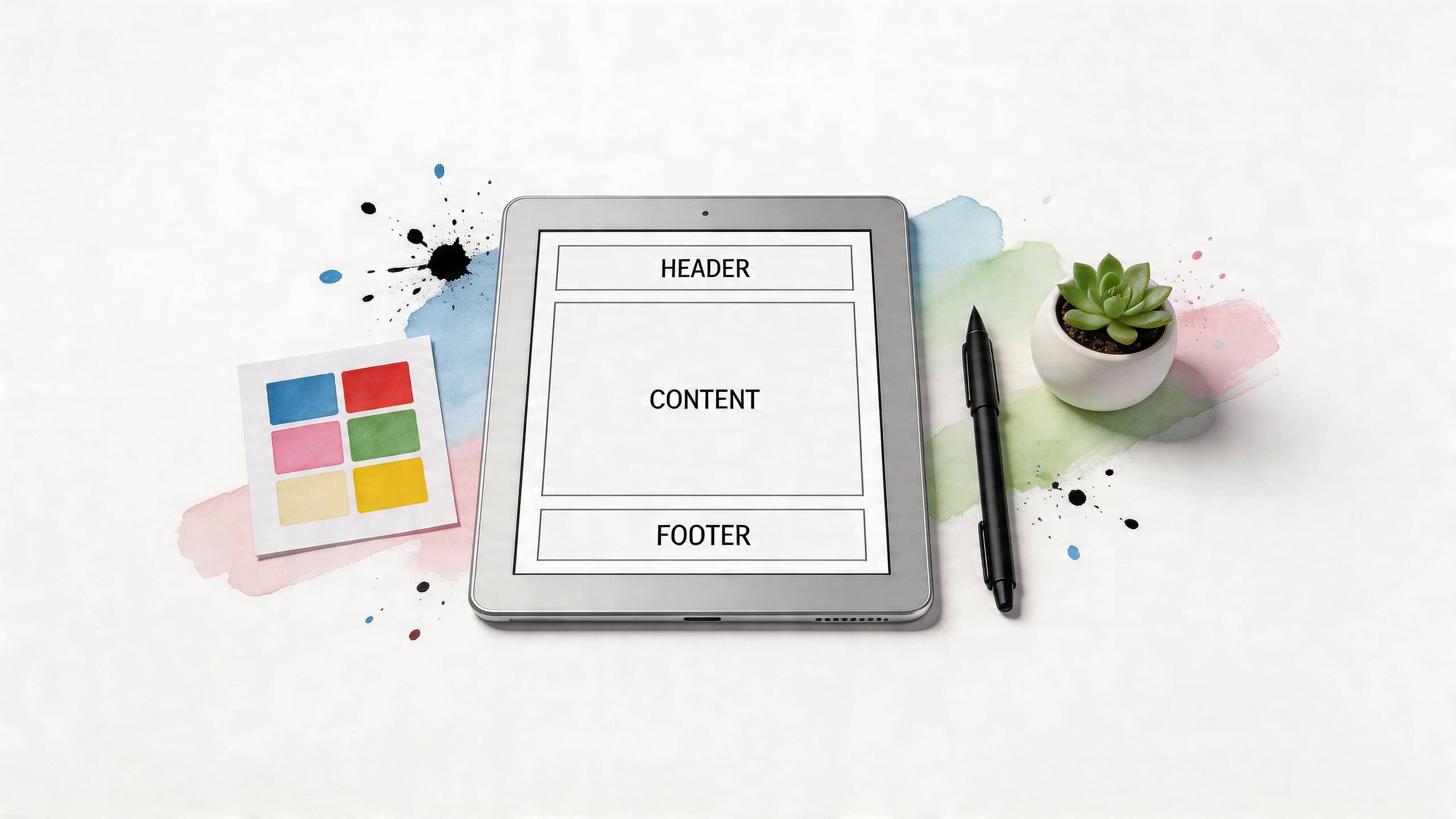
Design is one of the most attractive remote careers because the work is visible. People can see a landing page, a logo system, a wireframe, or a clean interface and understand the value quickly.
That visibility is helpful for beginners. You don’t need someone to imagine your potential if your portfolio already shows usable work.
Why design travels well
For nomads, design is strong because it’s mostly output-based. Clients care about the work, revisions, and deadlines. They usually don’t care where you’re sitting when you build it. You can also start with accessible tools. Figma and Canva lower the barrier for beginners, while stronger fundamentals let you move into UI, UX, branding, and web projects.
The challenge is that many beginners confuse tools with skill. Knowing Figma doesn’t make you a designer. Clients pay for judgment. They want layouts that guide action, brands that feel coherent, and interfaces that reduce friction.
That’s why even an early designer should study typography, spacing, hierarchy, and user behavior. If you lean toward interface work, this primer on what UX writing is and how UX jobs work is worth reading because design and product communication overlap more than beginners expect.
What works better than broad “design services”
Specialization helps fast. “I design things” is weak positioning. “I build landing pages for travel startups” or “I create simple brand kits for coaches and creators” is much easier to sell.
That’s also why many beginners need to decide whether they want to stay freelance or plug into a larger team. This comparison of freelance or agency for design is useful if you’re weighing independence against more structured workflows.
Here’s a solid reality check before you go further:
Best use case
Design is best for beginners who enjoy visual problem-solving enough to practice constantly. It’s not the fastest cash path for everyone, but it can become one of the more durable ones if you build a clean portfolio and learn to solve business problems, not just make attractive screens.
8-Role Entry-Level (No Experience) Comparison
| Role | Implementation complexity 🔄 | Resource requirements ⚡ | Expected outcomes ⭐📊 | Ideal use cases 💡 | Key advantages ⭐ |
|---|---|---|---|---|---|
| Virtual Assistant | Low–Medium: basic skills plus client management | Minimal: laptop, internet, PM tools | Variable income; steady with retained clients | Admin support for entrepreneurs, SMBs, nomads | Flexible hours, low startup cost, income diversification |
| Content Writer / Copywriter | Low–Medium: writing + SEO or niche expertise | Minimal: laptop, research/SEO tools, portfolio | Income scales with portfolio and niche; passive potential | Blogs, marketing, email campaigns, niche content | High demand, scalable rates, creative work |
| Customer Service Representative | Low: structured workflows and training | Moderate: reliable internet, headset, CRM/software | Stable, predictable income; potential benefits & advancement | Support roles for product companies and remote teams | Entry-level access, consistent pay, employer support |
| Social Media / Community Manager | Medium: multi-platform strategy and engagement | Moderate: scheduling tools, basic design apps, analytics | Variable income; measurable engagement and growth metrics | Brands, creators, travel/lifestyle and community building | Creative outlet, personal brand growth, clear performance data |
| Data Entry Specialist | Very Low: repetitive, rule-based tasks | Minimal: computer, spreadsheets, ergonomic setup | Low–Moderate income; predictable output; limited growth | Microtasks, batch work, intermittent internet scenarios | Easy to start, asynchronous work, clear productivity metrics |
| English Teacher / Online Tutor | Low–Medium: lesson prep; certification optional | Moderate: stable internet, webcam, teaching materials | Stable recurring income with regular students; higher with certs | Conversational practice, exam prep, business English | High global demand, recurring lessons, fulfilling impact |
| Freelance Translator | Medium–High: fluency + domain knowledge required | Moderate: CAT tools, references, strong writing skills | High pay for specialized pairs; project-based variability | Legal, medical, technical, and rare-language projects | High rates for specialization, asynchronous, global demand |
| Freelance Designer (Graphic/UI/UX/Web) | Medium–High: skill development and client iterations | Higher: design software, capable hardware, portfolio | High earning potential; project-based; scales with reputation | Branding, SaaS UI/UX, web design, visual assets | Creative satisfaction, strong rates with experience, passive asset sales |
Your Journey Starts Now Time to Take Action
You close your laptop in a noisy café after sending five applications and wonder which of these beginner-friendly remote jobs could still work once flights, time zones, and shaky Wi-Fi become part of daily life. That is the right question to ask.
The remote job dream usually starts with a very plain first win. One client. One part-time contract. One support shift. One student. One sample that shows you can do the work. That makes this stage less glamorous than social media sells it, but much more manageable.
Competition for beginner roles is real, as noted earlier. Broad applications with no clear direction usually disappear into the pile. A better move is to treat each role in this guide like a product you are reviewing for your own travel setup. Ask three things. Can you get started without a long runway. Can you do the work well from the places you want to live. Can the role grow into better pay or better freedom.
That filter changes your decision fast. Virtual assistant work is a low-friction option if you are organized and comfortable handling other people’s systems. Writing has strong upside and travels well, but it demands self-direction and a tolerance for pitching. Customer service gives more stability, though fixed shifts can limit your freedom. Social media management suits people who can stay creative on schedule, not only when inspiration shows up. Data entry is easy to test, but the ceiling is lower. Online teaching can produce reliable recurring income if you have a quiet setup and stable internet. Translation pays well when your language skills are deep enough to solve real business problems. Design has some of the best long-term upside on this list, but it usually takes longer to build proof that clients trust.
Pick for fit first, then build proof.
A small proof stack beats vague enthusiasm every time. Two writing samples. A mock content calendar. A simple VA service page. A short tutor intro video. A redesign of a local business homepage. For entry-level hiring, clear evidence matters more than perfect credentials because it reduces the buyer’s risk. Employers and clients want the same thing. They want to feel safe choosing you.
Stay flexible about titles too. Plenty of beginner-friendly openings sit under broader labels, and freelance work often starts before a polished job title shows up on your profile. Reliability, clear communication, tool fluency, and fast learning travel across roles. Those signals are what get first replies.
Your first remote job only needs to do three jobs well. Pay your bills. Teach you portable skills. Fit the kind of travel you want to sustain.
If you’re polishing your application materials for more structured roles in tech or finance-adjacent fields, these examples of objectives for tech and finance jobs can help tighten your positioning.
The goal is not to copy someone else’s laptop-on-the-beach photo. The goal is to choose the role that still holds up when the café is loud, the internet is uneven, and you need income you can count on. Start with one role from this list. Review it carefully against your lifestyle. Build proof. Apply with intention. The first remote paycheck usually comes from the person who chose a practical lane and stuck with it.
Remote Tribe helps you move from “I want this lifestyle” to “I’m doing it.” Explore Remote Tribe for practical remote job guides, destination advice, visa updates, product reviews for digital nomads, and the kind of field-tested travel work insight that saves you time, money, and bad decisions.






No Comment! Be the first one.