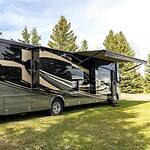
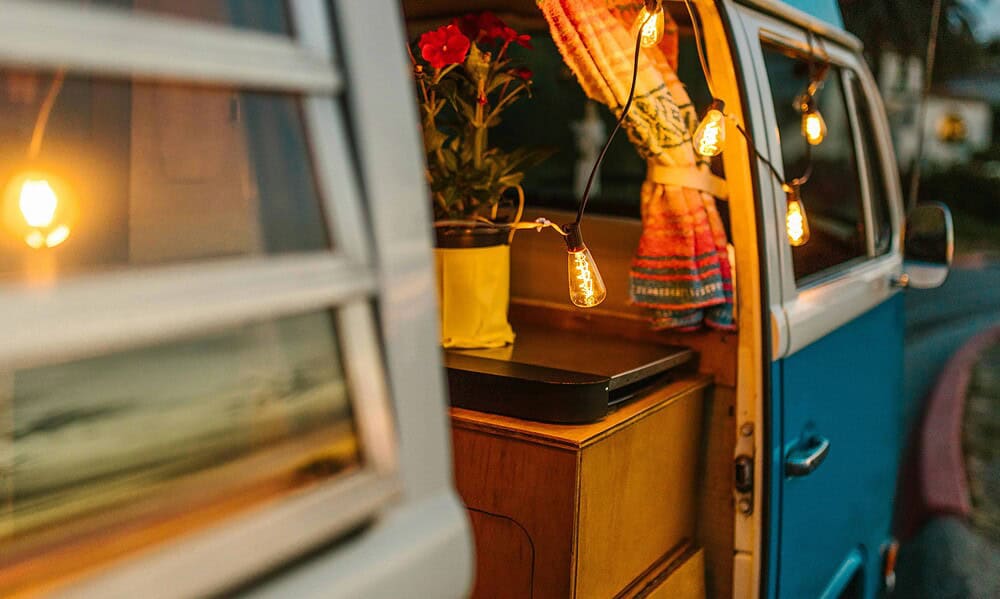
The allure of van life is evident for anyone who wants freedom, simplicity and endless adventure. There’s nothing more calming than leaving behind corporate life, where all you do is eat, sleep, work, repeat, to enter life on the road. When you remove yourself from the superficial nature of materialism and the corporate ladder, you reveal the beauty that the world has to offer and the freedom that you always had sitting right in front of you. After years stuck in a small city centre apartment working a 9-5 and still barely able to feed myself, I craved the adventure of the open road. So, within a month, I had sold all my valuables and handed my notice in, bought a van and hit the road.
However, although the thought and the expectations of van life seem idealistic and a dream, sometimes the reality can be much different. The realities of van life can hit pretty hard compared to the perfect expectation that you dream of. It seems that you can just pack up and hit the road without a hitch; however, leaving your whole life behind requires a lot of planning and preparation.
My first few weeks were a great shock to me due to my lack of preparation. So, to look out for other eager travellers, I’ve curated a list of 7 true essentials that you need before starting your journey on the road. Not only is gear essential, but you need to prepare your mindset and curate systems to set yourself up for success and to make your first few weeks a lot smoother than mine. This guide covers topics of comfort, safety and sustainability- the three key pillars that are needed to both survive and thrive on the road in my experience.
1. A sturdy and reliable van
Your van is the foundation of everything. It’s your home and your transport combined, and without it, you have nothing. This isn’t just about the longevity of the van; it’s also about how livable and suitable it is for your needs.
Choosing the right van: Firstly, it’s highly significant to inspect and check the mechanics of the van. As it will be travelling many miles, the van needs to be sturdy enough to carry you many miles. Although a higher mileage van might be cheaper to buy in the short run, you may run into many issues in the future, such as engine issues, which can be extremely costly and put an instant halt to your journeys. Fuel efficiency is also a major factor to consider, as a van that requires a lot of fuel can burn a big hole in your pocket compared to a more fuel-efficient one.
Conversion essentials: When choosing the right van, it’s important to keep in mind factors such as bed setups, insulation and storage and whether the van you choose already has these or you have room to fit these installations. It’s worth investing in these early on so that you can fit them effectively and have time to alter them. Other significant factors you need to consider are power options. Solar panels, battery systems and dual battery setups are a necessity for modern life, especially for those who work digitally on the road.
2. A functioning cooking set-up
Cooking is both a highlight and a challenge in van life. There’s nothing better than cooking breakfast in the morning, the sun rises on a frosty day or an evening campfire in summer, but it’s not always a dream. Storing and cleaning food and cookware can be a struggle, especially in tiny spaces. Finding a fridge that’s big enough for a week’s worth of food but compact and light enough to fit into a van can feel impossible, and finding is large enough space to store pans can be frustrating; therefore, there are methods you should use to combat this.
A few essentials:
- Portable stove (propane or induction)
- Compact cookware, utensils and lightweight dishware
- Cooler or small fridge
- Foldable sink and water jug
- Stacking containers
- Multi-use tools
- Easy clean systems
It’s necessary to have sufficient and good nutrition when on the road for concentration levels, energy and mood, to boost your travel experience. Although it can be tedious at times, morning chores such as grinding coffee beans can become a ritual and a small grounding routine that helps to start your day. To carry around all my equipment, I opted to get a trailer; however, for this, I had to invest in an additional licence from Lifft group.
3. Power and connectivity
Staying powered was one of the biggest learning curves for me on my journey, and for many others. Especially as I was working remotely, having access to power was not a luxury for me but an essential.
Some essentials:
- Solar panels and a charge controller
- Deep-cycle batteries or a portable power station like Jackery
- Inverter for laptop and camera charging
- Backup charging options, eg a portable generator
- Mobile hotspot or router
- SIM cards and data plans for remote areas
In reality, as much as you plan for it, the internet is not always guaranteed. This is why you have to plan for periods of connection and disconnection with many different methods of power and connectivity. Once you start using your power systems, a great hack is to track your battery and data usage to see what drains your power sources, so you can adapt your usage or even replace elements that are unnecessarily draining your power.
4. Water and hygiene systems
Water is life on the road. Many forget how much water you need for other purposes that are not hydration, such as washing up, cooking, cleaning, and showering. Therefore, you must create a good water supply which is sustainable and suitable for both cooking and ingestion. You can store, use, and dispose of water through several methods:
- Water tanks and a refillable jug to store in and out of the van
- Filtration systems to prevent illness and disease
- Grey water disposal systems to ensure correct disposal
- Compact shower set up, including a solar shower bag, portable pump shower or even a gym membership
Hygiene is of high significance, especially when living in a small living situation on the road. Biodegradable soaps are both great for avoiding having to dispose of packaging and good for the environment. Microfiber towels are efficient for drying whilst being small, compact and easy to store in small spaces. For times when showers are not feasible, packing emergency supplies, like dry shampoo and wet wipes, is small and easy to store.
A pro tip is to make sure that you plan refill points to ensure that you never run out of water and avoid dangerous situations where you have no access to water.
5. Safety and emergency gear
Planning safety should never be an afterthought. Items such as travel first aid kits, spare tyres, jumper cables, tow strap, tyre repair kits and reflective triangles are key for any minor repairs whilst on the road to give you time to get to a garage and to also look after you and your vehicle if you are broken down. Other safety equipment that you need in case of an emergency is a fire extinguisher and a carbon monoxide detector.
For solo travellers, pepper sprays (if legal in the country of residence) and personal safety alarms can be crucial in any unexpected situation, and also allow the traveller to feel safe at night or in quieter areas. For quieter areas, you may also want a GPS or satellite communicator and navigator so you don’t run into situations where you need help in far-out areas, but can’t get any.
A pro tip is to learn basic maintenance skills to lessen the need for external help for tyre changes, oil checks and fuse replacements. This saves time on the road whilst also helping to save on simple repairs, which garages tend to overcharge for.
6. Smart storage and organisation
Van life means limited space, so you have to make every inch count. Every item of clothing and piece of decoration now has to be purposeful, so no more shoving shoes under your bed or old clothing at the back of a wardrobe; every item must matter and have a place. It’s also essential to invest in smart storage solutions to maximise space and to make your space comfortable and aesthetically pleasing. Just because you have a small space doesn’t mean that it shouldn’t feel like home and be enjoyable to live in.
Some smart storage essentials:
- Modular bins and boxes, stackable crates and vacuum bags are great for clothes such as winter coats that you want to store for the summer.
- Hook, magnetic strips and mounted pouches give you more floor space, making the van feel more spacious.
- Multi-purpose furniture, such as sofa beds, fold-out tables, helps to make multi-purpose spaces.
- Having a clear labelling system stops things from getting lost and makes finding everyday items easy.
Tidiness is crucial in smaller spaces for peace of mind, as clutter can add stress. Implementing a one-in and one-out rule helps to keep spaces clear in the long term and prevent overpacking. I specifically learned this the hard way. I had a just-in-case mindset, and overpacked a great amount. This led me to stress as I could barely find any of my belongings in all the clutter, and also made the van feel much smaller. Therefore, organisation is key as it leads to freedom in the long run.
7. The right mindset and community connection
The most overlooked essential when travelling isn’t always a product or item; it’s your mindset. Without the correct mindset, even the most physically prepared person can crumble under the pressure of van life; therefore, it’s best to be prepared mentally for the challenges or bumps that you may come across on the road.
Flexibility- Plans will constantly change on the road. Even the most well-thought-out plan can go south once you start to actually live life on the road. It’s important that you embrace any changes and problems as part of your adventure and learn to love adapting and learning.
Patience- Being realistic, many things will break, the weather will shift within the blink of an eye, and the route that you’ve planned for months will close. The important thing is to be patient with yourself and others around you. It’s easy to let the problem spiral, but it’s crucial to take a deep breath and carry on.
Gratitude- Focusing on small joys allows you to appreciate the simple life that you are living. From sunsets to quiet mornings, the small but significant experiences make you remember why you decided to join this life.
Ensuring that you connect with other like-minded people on the road helps you to settle into the van life, as it can make you feel less lonely, whilst also gaining knowledge and tips and tricks from other travellers. This can improve your van living in the long term whilst also looking out for your mental health. Another way to do this is to keep a journal or even a video diary, to keep you company and also to look back during lower points, to celebrate your wins. After all, van life isn’t about escaping life; it’s about living more intentionally.
Enter your van life
Overall, this guide aims to recommend 7 essentials before entering van life. True readiness is about balance between gear, safety and mindset, but also knowing what is significant to you. Van life isn’t easy, nor is it about perfection. It’s about presence, adaptability, and self-discovery, so even though you can be as prepared as possible, surprises will always happen. It’s just about how you deal with them. When you have the right essentials and the right attitude, the road becomes more than a destination. It becomes your home. So what are you waiting for? Start your van life journey now and feel the freedom and adventure that you deserve.

Andrew Williams is the Founder of Remote Tribelife, an online magazine for digital nomads and remote working. Andrew has an extensive background in SEO and content marketing. His experience with digital marketing goes back to his early age in University when he founded a blog about startups and funding. He does his best writing in the coffee shops in Bali or in the condos of busy cities like Bangkok and Singapore. He is currently based in Singapore. You can connect with Andrew on his Linkedin profile and/or follow Remote Tribelife on Instagram.